

Thinking about hiring a car for your next trip might seem simple and straightforward. Most people figure their usual car insurance or credit card perks will keep them covered. But more than 40 percent of drivers find out too late that their personal insurance leaves massive gaps when renting a car. That unexpected shock has left many South Africans paying far more than they planned and scrambling to cover costs they thought were sorted.
Table of Contents
- What Is Rental Car Insurance?
- Why Insuring Rental Cars Matters
- How Rental Car Insurance Works
- Key Concepts Of Rental Car Insurance
- Common Misconceptions About Insuring Rental Cars
Quick Summary
| Takeaway | Explanation |
|---|---|
| Evaluate existing coverage before renting | Review your personal auto insurance and credit card benefits to assess coverage for rental cars. |
| Understand key insurance terms | Familiarize yourself with terms like Collision Damage Waiver and Liability Coverage to make informed decisions. |
| Consider gaps in your insurance | Many assume personal insurance covers rentals, but this isn’t always true; check for limitations. |
| Insurance activates with rental agreement | Coverage begins as soon as you sign the rental agreement, so understand your responsibilities immediately. |
| Protect against financial risks | Rental car insurance helps mitigate costs related to damages, accidents, or theft during your rental. |
What is Rental Car Insurance?
Rental car insurance is a specialized protection mechanism designed to safeguard renters and rental companies against potential financial losses during vehicle rental periods. When you rent a vehicle, multiple insurance options exist to cover different scenarios and risks associated with temporary vehicle usage.
Understanding Core Coverage Components
Rental car insurance typically encompasses several critical protection areas that address various potential incidents. These coverage components are structured to provide comprehensive protection for both the renter and the rental company. Key coverage types include:
- Collision Damage Waiver (CDW): Protects against damage to the rental vehicle resulting from accidents or collisions
- Theft Protection: Covers potential financial losses if the rental vehicle is stolen
- Liability Coverage: Provides protection against third-party injury or property damage claims
The primary purpose of rental car insurance is to mitigate financial risks during temporary vehicle use. Unlike standard auto insurance, these policies are specifically tailored to short-term rental scenarios, offering flexibility and targeted protection.
Determining Insurance Necessity
Whether you need rental car insurance depends on several factors, including your existing personal auto insurance, credit card benefits, and travel circumstances. Some personal auto insurance policies extend coverage to rental vehicles, potentially eliminating the need for additional rental insurance.
If you want to learn more about vehicle protection strategies, read our comprehensive guide on car insurance options to understand how different coverage types can protect you in various scenarios.
Before renting a vehicle, carefully review your current insurance policies and assess potential gaps in protection. Consider consulting with your insurance provider to understand the exact scope of your existing coverage and determine whether additional rental car insurance is recommended for your specific situation.
Why Insuring Rental Cars Matters
Rental car insurance plays a pivotal role in protecting drivers from potentially significant financial risks during temporary vehicle usage. Recent transportation studies reveal that unexpected incidents during rental periods can lead to substantial out-of-pocket expenses without proper insurance coverage.
Financial Protection and Risk Mitigation
The importance of rental car insurance extends far beyond simple paperwork. When you rent a vehicle, you become responsible for potential damages, accidents, and liability issues that could result in considerable financial strain. Uninsured rental incidents can quickly escalate into expensive legal and repair challenges.
Key financial risks include:
- Potential repair costs for vehicle damage
- Medical expenses from potential accidents
- Legal liabilities from third-party property damage
- Replacement expenses if the rental vehicle is stolen
Understanding Personal Insurance Limitations
Many drivers mistakenly assume their personal auto insurance automatically covers rental vehicles. However, coverage can vary significantly between policies. Some personal insurance plans offer limited or no protection for rental cars, leaving drivers vulnerable to unexpected expenses.
If you are interested in comprehensive vehicle protection strategies, explore our guide on insurance for borrowed cars to understand the nuanced landscape of temporary vehicle coverage.
Beyond financial considerations, rental car insurance provides peace of mind. By understanding and securing appropriate coverage, drivers can confidently navigate rental experiences without constant worry about potential mishaps.
Proactively assessing insurance needs before renting a vehicle is a critical step in responsible travel planning.
How Rental Car Insurance Works
Rental car insurance operates through a complex mechanism designed to protect both renters and rental companies during temporary vehicle usage. Insurance industry research demonstrates that these policies function as specialized risk management tools with multiple interconnected components.
Coverage Activation and Policy Mechanisms
Rental car insurance typically activates the moment you sign the rental agreement, creating a temporary protective shield around the vehicle and driver. The insurance coverage works by establishing clear financial responsibilities and risk allocation protocols.
Key activation processes include:
- Verification of driver credentials and insurance eligibility
- Assessment of existing personal insurance coverage
- Documentation of vehicle condition before rental
- Establishment of specific coverage limits and exclusions
Types of Rental Insurance Coverage
Different insurance options provide varying levels of protection. Rental car insurance can be acquired through multiple channels:
- Rental Company Insurance: Directly purchased at the rental counter
- Personal Auto Insurance: Existing policy extensions
- Credit Card Benefits: Complimentary coverage for card holders
- Standalone Rental Insurance: Specialized policies from third-party providers
For comprehensive insights into vehicle protection strategies, explore additional insurance options that might complement your rental coverage.
Understanding the intricate workings of rental car insurance requires careful examination of policy details. Drivers must proactively review coverage terms, understand potential limitations, and make informed decisions based on their specific travel circumstances and risk tolerance.
Below is a table outlining and comparing the different types of rental car insurance coverage, their sources, and key features for South African drivers.
| Type of Coverage | Source/Provider | Key Features |
|---|---|---|
| Collision Damage Waiver | Rental company | Covers vehicle damage from accidents or collisions |
| Theft Protection | Rental company, standalone | Covers financial loss if the rental vehicle is stolen |
| Liability Coverage | Rental company, personal | Protects against third-party injury/property claims |
| Loss Damage Waiver | Rental company, third-party | Combines CDW and Theft Protection |
| Supplemental Liability | Rental company/third-party | Extends standard liability coverage limits |
| Personal Accident | Rental company, standalone | Covers medical expenses for driver and passengers |
| Credit Card Benefits | Select credit cards | Limited coverage, may include CDW/theft in certain cases |
Key Concepts of Rental Car Insurance
Insurance experts highlight that understanding rental car insurance requires navigating a complex landscape of protection mechanisms and financial safeguards. These specialized insurance products are designed to address unique risks associated with temporary vehicle rentals.
Core Insurance Terminology
Rental car insurance involves several critical technical terms that drivers must comprehend to make informed decisions. Understanding these fundamental concepts helps individuals select appropriate coverage and avoid potential financial vulnerabilities.
The following table explains essential rental car insurance terminology and their definitions to help South Africans make informed decisions when hiring a vehicle.
| Term | Definition |
|---|---|
| Collision Damage Waiver (CDW) | Shifts vehicle damage repair costs from the renter to the insurance provider |
| Loss Damage Waiver (LDW) | Provides comprehensive protection for both theft and damage |
| Supplemental Liability | Extends the legal and financial liability protection beyond standard policy limits |
| Personal Accident Insurance | Offers cover for medical expenses of the driver and passengers during the rental period |
| Excess/Deductible | The out-of-pocket amount paid by the renter before insurance covers the rest of a claim |
| Third-Party Liability | Covers injury or property damage costs to others if you are at fault in an accident |
Key terminology includes:
- Collision Damage Waiver (CDW): Transfers vehicle damage repair costs from the renter to the insurance provider
- Loss Damage Waiver (LDW): Comprehensive protection covering theft and damage scenarios
- Supplemental Liability Protection: Extends legal and financial protection beyond standard coverage limits
- Personal Accident Insurance: Provides medical expense coverage for drivers and passengers
Coverage Limitations and Considerations
Rental car insurance is not a universal, one-size-fits-all solution. Coverage can vary dramatically based on specific policy details, rental company regulations, and individual risk profiles. Drivers must carefully examine policy exclusions and understand potential gaps in protection.
Learn more about nuanced vehicle insurance options to comprehensively understand the intricate world of automotive protection strategies.
Proactive research and thorough policy comparison are essential.
 By developing a comprehensive understanding of rental car insurance concepts, drivers can confidently navigate potential risks and make financially prudent decisions during temporary vehicle rentals.
Common Misconceptions About Insuring Rental Cars
Insurance industry analysis reveals that misconceptions about rental car insurance can lead to significant financial risks and unnecessary expenses for drivers. Understanding these myths is crucial for making informed decisions during vehicle rentals.
Myths About Existing Coverage
Many drivers operate under false assumptions about their current insurance protection. These misconceptions can create dangerous gaps in coverage that potentially expose individuals to substantial financial liability.
Common misunderstandings include:
- Personal Auto Insurance Covers Everything: Most standard policies offer limited or no rental car protection
- Credit Card Insurance is Comprehensive: Many credit card benefits provide only minimal coverage with numerous restrictions
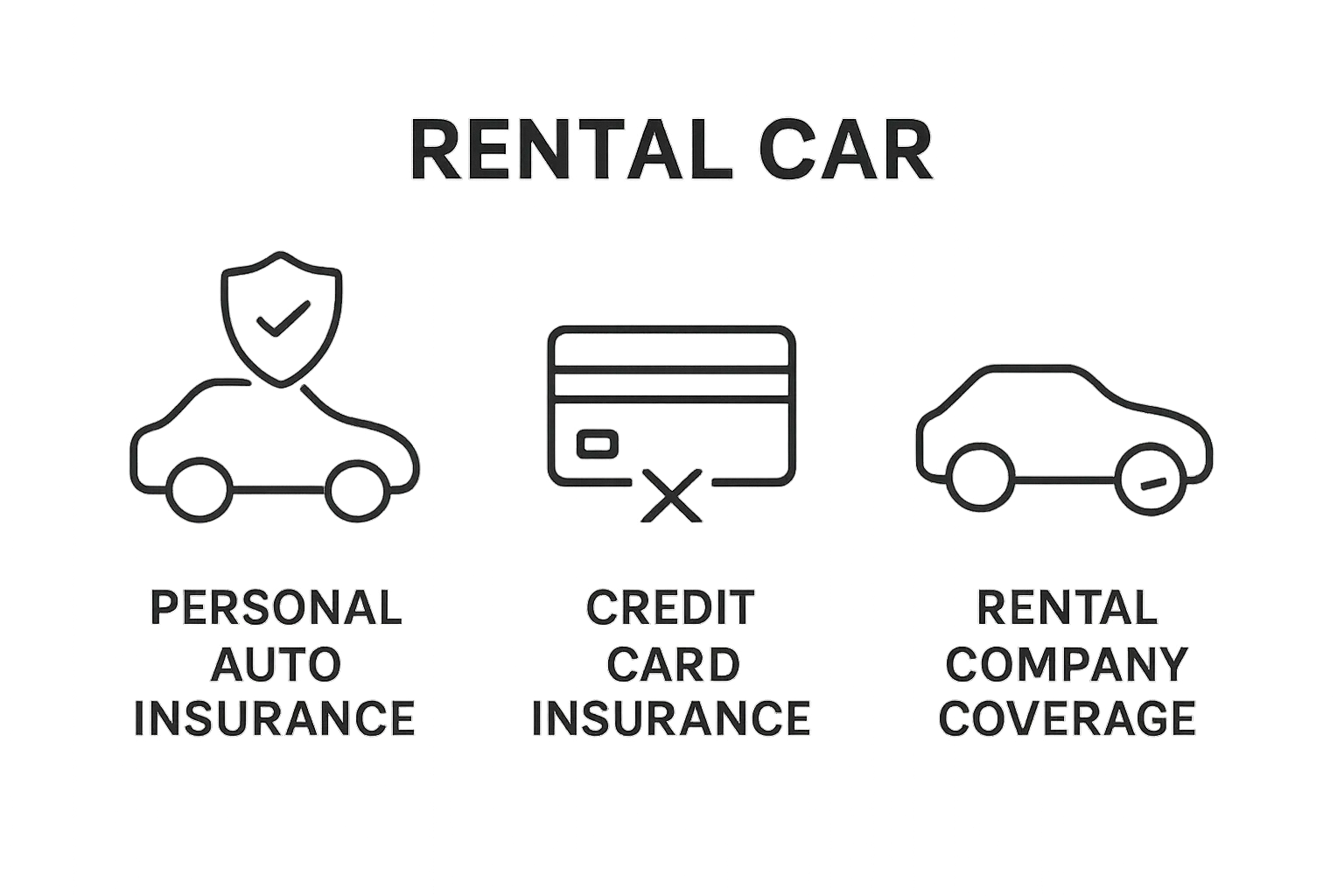
- Rental Company Insurance is Always Unnecessary: Sometimes additional protection is critical, depending on personal insurance limitations
Financial and Legal Implications
Believing these myths can result in unexpected out-of-pocket expenses and potential legal complications. Drivers who blindly assume they are fully protected may face significant financial consequences in the event of accidents, theft, or vehicle damage.
Explore our comprehensive guide on car insurance myths to gain deeper insights into common misunderstandings that could impact your financial security.
Proactive research and direct communication with insurance providers are essential. Drivers must carefully review their existing policies, understand specific coverage limitations, and make informed decisions about additional rental car insurance to protect themselves effectively.
Get Complete Peace of Mind for Your Next Rental Car Experience
Worried about whether your personal or credit card insurance actually covers you when you hire a car? The article highlights exactly how confusing rental car insurance can be‐especially with terms like Collision Damage Waiver and Liability Cover making you question your financial safety every time you rent. If you are feeling anxious about gaps in your coverage and want to avoid nasty surprises after an accident or theft, you are not alone.
King Price Insurance understands that South African drivers want protection they can trust and answers that make sense. With clear car insurance options for all your needs, you can empower yourself before your next rental or any temporary vehicle use. Our solutions are designed to help you navigate confusing terms and choose the right level of cover, whether you need quick advice or a comprehensive new plan. Do not leave yourself exposed while renting‐visit King Price Insurance today to review your insurance, explore your options and make sure you have the cover you deserve. Your journey should feel secure from the moment you drive away.
Frequently Asked Questions
What is rental car insurance?
Rental car insurance is a specialized protection mechanism designed to safeguard both the renters and rental companies against financial losses that may occur during the vehicle rental period.
Do I need rental car insurance if I have personal auto insurance?
Whether you need rental car insurance depends on your personal auto insurance policy coverage. Some policies extend to rental vehicles, while others do not. It’s essential to check with your insurance provider for details.
What types of coverage are included in rental car insurance?
Rental car insurance typically includes several types of coverage such as Collision Damage Waiver (CDW), Theft Protection, and Liability Coverage, protecting against various potential incidents during your rental period.
Can my credit card cover rental car insurance?
Some credit cards offer complimentary rental car insurance as a benefit, but coverage limits and exclusions may vary. Always review the specific terms related to rental car protection for your credit card before renting a vehicle.