


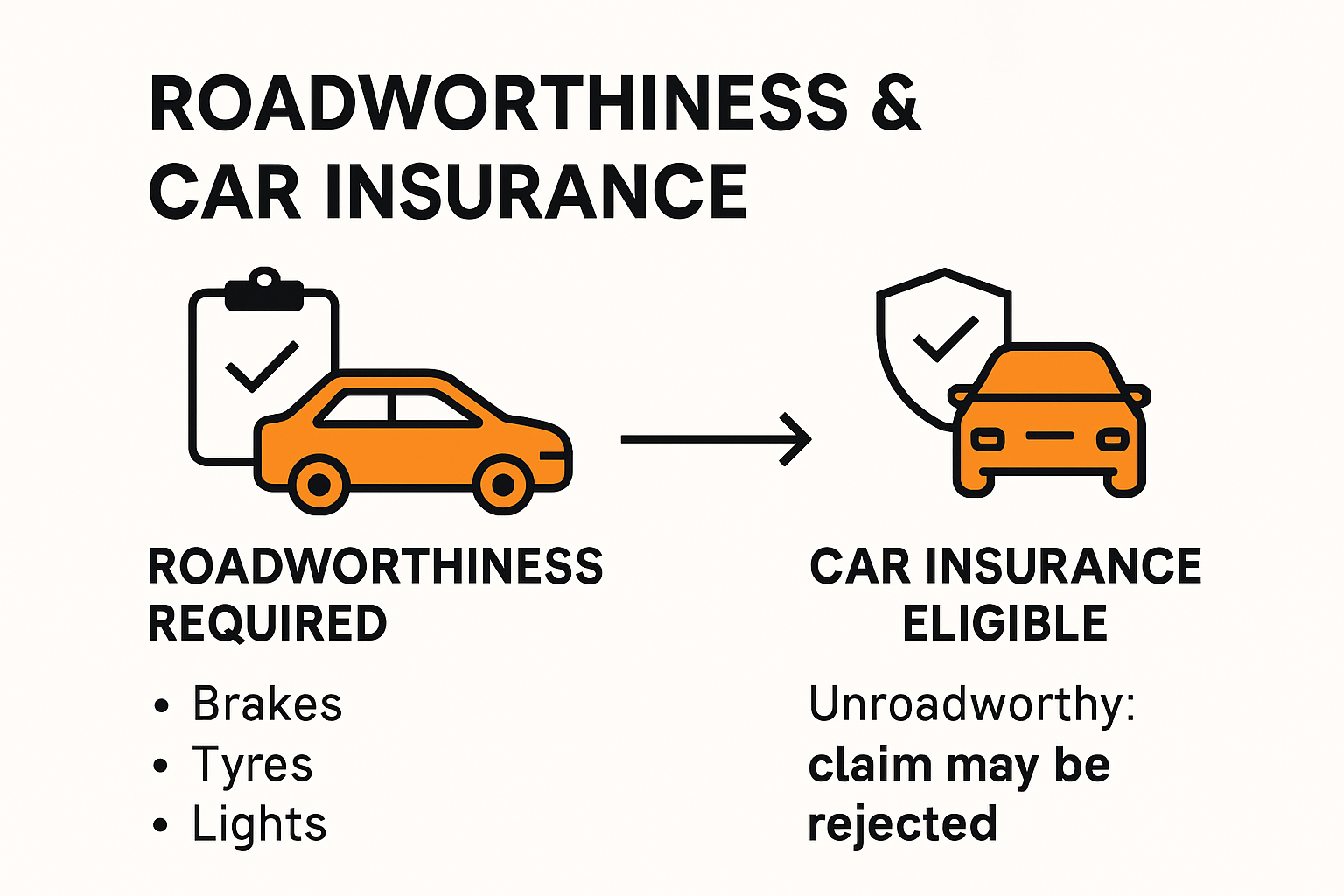
Car insurance is supposed to keep you covered when life takes an unexpected turn on the road. Most South Africans focus on premiums or policy details and ignore the single most important requirement. More than 25 percent of claims get rejected simply because the car was not kept roadworthy according to official inspections. Keeping your paperwork neat is one thing but missing a service or letting your brakes slide could cost you everything.
Table of Contents
- Understanding Roadworthiness And Insurance Laws
- How Roadworthy Condition Impacts Your Insurance
- Steps To Keep Your Car Roadworthy And Covered
- Common Mistakes Car Owners Make In 2025
Quick Summary
| Takeaway | Explanation |
|---|---|
| Maintain Roadworthiness | Vehicle owners must ensure their vehicles meet legal safety standards to avoid penalties, invalidation of insurance, and personal liability in accidents. Regular inspections and maintenance are essential. |
| Document Everything | Keeping detailed maintenance records and service history is crucial for proving compliance with insurance requirements and can help in claim processing and eligibility. |
| Stay Informed on Regulations | Vehicle owners should be aware of changing state insurance minimums and update their policies accordingly to ensure they remain legally compliant and financially protected. |
| Proactive Insurance Management | Regularly assess insurance coverage to account for changes in usage or vehicle condition, avoiding common mistakes that could lead to inadequate coverage. |
Understanding Roadworthiness and Insurance Laws
Roadworthiness and insurance laws form a critical framework that protects both vehicle owners and other road users. These regulations ensure that vehicles meet specific safety standards and maintain appropriate financial protection in case of accidents or damages.
Legal Requirements for Vehicle Safety
Vehicle roadworthiness goes beyond simple mechanical functionality. The National Association of Insurance Commissioners highlights that legal requirements encompass multiple dimensions of vehicle safety and operational standards. Owners must maintain their vehicles to meet specific criteria that include:
- Structural Integrity: Ensuring the vehicle’s body and chassis are free from significant damage or corrosion
- Mechanical Functionality: Maintaining critical systems like brakes, steering, and suspension in optimal working condition
- Safety Equipment: Keeping essential safety features operational, including lights, mirrors, and emergency signaling devices
Failure to meet these standards can result in significant legal and financial consequences. Insurance providers may refuse coverage or invalidate existing policies if a vehicle does not meet roadworthiness requirements.
Insurance Compliance and Vehicle Inspections
The Federal Motor Carrier Safety Administration emphasizes the importance of financial responsibility and vehicle compliance. Regular inspections play a crucial role in maintaining roadworthiness and insurance eligibility. These assessments typically involve comprehensive checks of:
- Mechanical system performance
- Electrical system functionality
- Structural condition
- Safety equipment verification
- Emissions and environmental compliance
Insurance providers often require documented proof of these inspections to maintain active coverage. Vehicle owners should understand that roadworthiness is not a one-time achievement but an ongoing responsibility.
Financial and Legal Implications
Non-compliance with roadworthiness standards can lead to severe repercussions. Drivers may face:
- Potential fines and penalties
- Suspension of vehicle registration
- Invalidation of insurance coverage
- Personal liability in accident scenarios
- Increased insurance premiums
Proactive maintenance and regular vehicle inspections are essential strategies for staying compliant with roadworthiness regulations. By understanding and adhering to these legal requirements, vehicle owners can protect themselves financially and legally while ensuring their safety and the safety of other road users.
Understanding the intricate relationship between roadworthiness and insurance laws requires continuous education and awareness. Vehicle owners must remain informed about changing regulations and maintain their vehicles to the highest possible standards.
How Roadworthy Condition Impacts Your Insurance
The condition of your vehicle plays a critical role in determining insurance coverage, premiums, and claim eligibility. Understanding how roadworthiness directly influences insurance outcomes can help vehicle owners make informed decisions and protect their financial interests.
Insurance Risk Assessment and Vehicle Condition
The Insurance Information Institute reveals that insurers conduct comprehensive risk assessments based on a vehicle’s mechanical condition. An unmaintained vehicle represents a higher risk profile, which can significantly impact insurance dynamics. Insurance providers evaluate several key factors when assessing roadworthiness:
- Mechanical Reliability: Vehicles with documented regular maintenance are considered lower risk
- Safety System Functionality: Operational brake systems, airbags, and safety features reduce potential claim scenarios
- Structural Integrity: Vehicles free from significant structural damage receive more favorable insurance evaluations
Insurers use these assessments to determine premium rates and coverage eligibility. A well-maintained vehicle signals responsible ownership and reduces potential financial liability.
Claim Validity and Roadworthiness Requirements
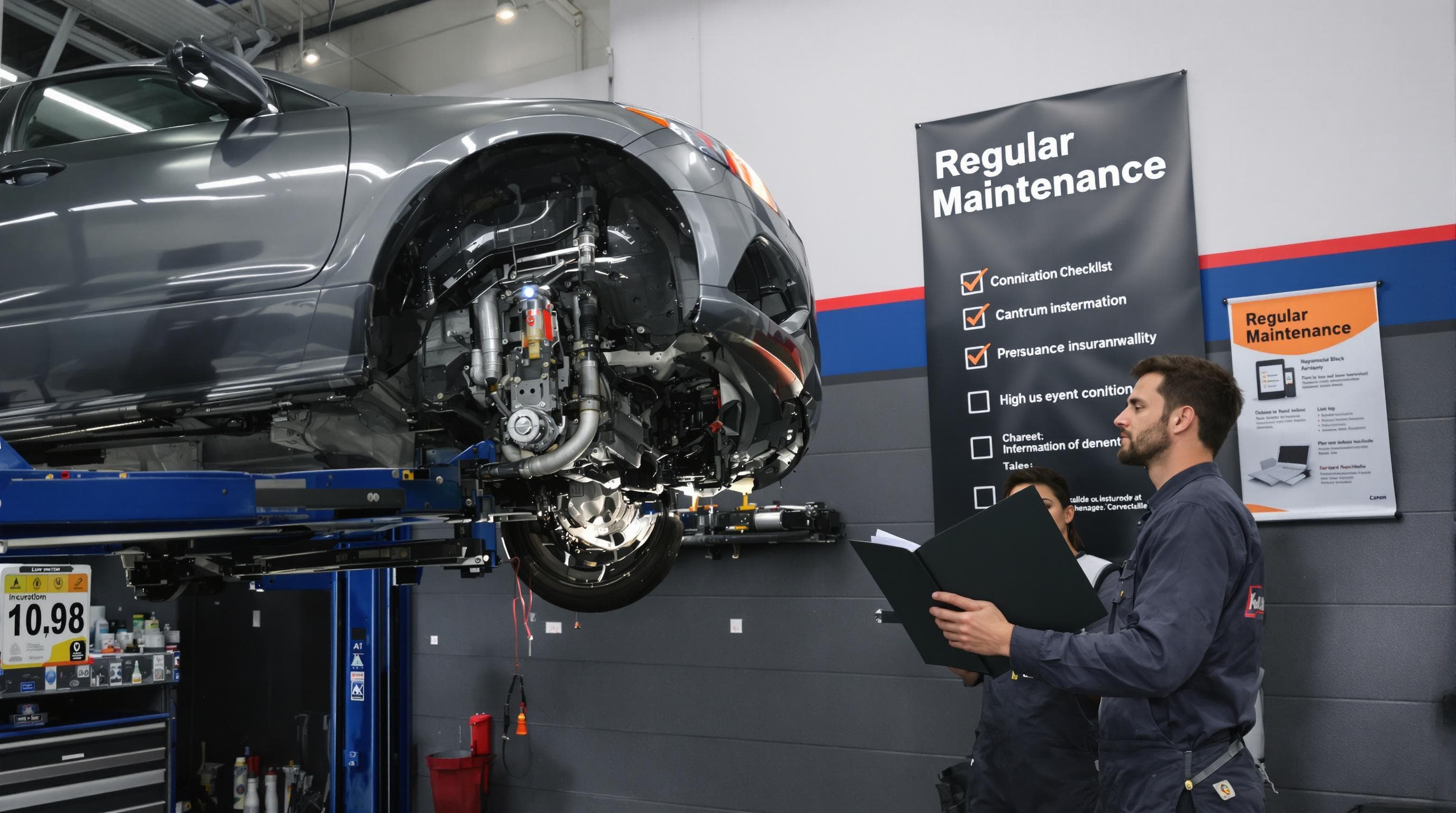
The National Association of Insurance Commissioners emphasizes that roadworthiness directly influences claim processing. Insurance policies typically include specific maintenance clauses that can impact claim outcomes. Key considerations include:
- Documenting regular vehicle maintenance
- Addressing mechanical issues promptly
- Maintaining comprehensive service records
- Conducting periodic professional vehicle inspections
Insurers may deny claims or limit payouts if they determine that poor vehicle maintenance contributed to an incident. This means vehicle owners bear significant responsibility for maintaining their vehicle in a roadworthy condition.
To help summarise the main insurance risks of poor roadworthiness, the following table outlines key impacts and consequences explained in this section:
| Roadworthiness Factor | Insurance Impact | Potential Consequence |
|---|---|---|
| Irregular maintenance | Higher risk profile/raised premiums | Claim denial, policy cancellation |
| Mechanical issues ignored | Fault assigned to owner | Partial/no payout |
| Incomplete safety features | Limited coverage | Insurer may exclude accident claims |
| Lack of required documentation | Claims processing delays | Delayed or rejected claims |
| Structural damage not addressed | Policy exclusions | Loss of coverage |
Financial Implications of Vehicle Condition
The financial consequences of neglecting vehicle roadworthiness extend beyond potential claim denials. Vehicle owners might experience:
- Higher insurance premium rates
- Increased likelihood of policy cancellation
- Reduced insurance coverage options
- Potential legal complications in accident scenarios
Proactive vehicle maintenance becomes a strategic financial decision. Regular servicing, addressing mechanical issues immediately, and maintaining comprehensive documentation can help mitigate insurance risks and potentially reduce long-term expenses.
Vehicle owners must recognize that roadworthiness is not merely a technical requirement but a critical component of responsible vehicle ownership. By prioritizing vehicle maintenance and understanding insurance implications, drivers can protect themselves financially and ensure comprehensive insurance coverage.
Steps to Keep Your Car Roadworthy and Covered
Maintaining a roadworthy vehicle requires proactive strategies and consistent attention to detail. Vehicle owners must take deliberate steps to ensure their car remains safe, compliant, and fully insurable.
Regular Maintenance and Inspection Protocols
The Insurance Information Institute highlights the critical importance of consistent vehicle maintenance for insurance coverage. Developing a comprehensive maintenance strategy involves several key components:
- Scheduled Service Checks: Adhere to manufacturer-recommended service intervals
- Comprehensive Vehicle Inspections: Conduct thorough assessments of critical systems
- Documented Maintenance Records: Keep detailed logs of all repairs and services
Professional mechanics can provide comprehensive assessments that identify potential issues before they become significant problems. These routine checks help prevent mechanical failures and demonstrate responsible vehicle ownership to insurance providers.
Critical Systems Requiring Continuous Monitoring
Certain vehicle systems demand particular attention to maintain roadworthiness and insurance eligibility. Owners should focus on:
- Brake System: Regular inspection and immediate repair of brake pads, rotors, and hydraulic systems
- Suspension Components: Checking shock absorbers, struts, and alignment
- Electrical Systems: Verifying battery condition, alternator performance, and wiring integrity
- Tire Maintenance: Monitoring tread depth, pressure, and overall tire condition
- Fluid Levels: Consistent checking and replacement of engine oil, transmission fluid, coolant, and brake fluid
The following checklist table can help vehicle owners keep track of essential maintenance operations required for roadworthiness and insurance compliance:
| System/Component | Recommended Action | Status (Yes/No) |
|---|---|---|
| Brakes | Inspect & repair as needed | |
| Suspension | Check alignment, condition | |
| Electrical | Test battery, alternator | |
| Tyres | Check tread & pressure | |
| Fluids | Top up/replace | |
| Lights & indicators | Test functionality | |
| Safety equipment | Verify operation | |
| Chassis/Body | Inspect for damage/corrosion |
These systems directly impact vehicle safety and performance. Neglecting them can lead to mechanical failures, potentially compromising insurance coverage and personal safety.
Documentation and Proactive Insurance Management
Maintaining comprehensive documentation is crucial for demonstrating vehicle roadworthiness. Vehicle owners should:
- Create and maintain a detailed service history file
- Keep receipts for all maintenance and repair work
- Photograph significant repairs and maintenance procedures
- Obtain official inspection certificates
- Communicate regularly with insurance providers about vehicle condition
Proactive documentation serves multiple purposes. It provides evidence of responsible vehicle maintenance, supports potential insurance claims, and demonstrates a commitment to vehicle safety. Insurance providers view well-documented vehicle histories more favorably, potentially leading to more competitive coverage options.
Vehicle roadworthiness is an ongoing process that requires consistent attention and investment. By implementing systematic maintenance protocols, monitoring critical systems, and maintaining comprehensive documentation, owners can protect their vehicle, ensure insurance coverage, and minimize potential financial risks associated with mechanical failures.
Remember that roadworthiness is not just about meeting minimum legal requirements but about creating a safe, reliable driving experience that protects both the vehicle owner and other road users.
Common Mistakes Car Owners Make in 2025
Navigating car ownership and insurance in 2025 requires awareness of evolving trends and potential pitfalls. Many vehicle owners inadvertently compromise their financial security and insurance coverage through common mistakes that can be easily avoided.
Coverage and Policy Mismanagement
Forbes Advisor highlights critical errors in car insurance management that can significantly impact financial protection. Vehicle owners frequently make mistakes such as:
- Inadequate Coverage Assessment: Failing to review and update insurance policies annually
- Incorrect Usage Reporting: Not informing insurers about changes in vehicle usage, especially for business purposes
- Overlooking Policy Details: Neglecting to understand specific policy exclusions and limitations
Insurance requirements are dynamic, and what worked in previous years may no longer provide comprehensive protection. Owners must proactively assess their coverage, considering changes in personal circumstances, vehicle condition, and driving patterns.
State Regulation and Minimum Coverage Challenges
Bankrate reveals significant changes in state minimum insurance requirements for 2025. Vehicle owners often make critical errors related to legal compliance:
- Assuming previous minimum coverage levels remain unchanged
- Failing to update insurance policies to meet new state regulations
- Not understanding the financial implications of minimum coverage limits
States like California, North Carolina, Utah, and Virginia have modified their minimum liability coverage requirements. Owners must stay informed about these changes to ensure they maintain legally compliant and financially protective insurance coverage.
Technology and Behavioral Risks
Modern car ownership introduces new risks that many owners fail to anticipate. Emerging challenges include:
- Underestimating the impact of technology on insurance assessments
- Neglecting cybersecurity risks associated with connected vehicles
- Failing to understand how digital driving behaviors influence insurance premiums
Insurance providers increasingly use telematics and digital monitoring to assess risk. Owners who do not adapt to these technological assessments may find themselves facing higher premiums or reduced coverage options.
The landscape of car ownership in 2025 demands a proactive and informed approach. Vehicle owners must continuously educate themselves about changing regulations, technological impacts, and insurance dynamics. By avoiding these common mistakes, drivers can protect themselves financially and ensure comprehensive coverage.
Staying ahead of potential pitfalls requires ongoing learning, regular policy reviews, and a willingness to adapt to the evolving automotive and insurance ecosystem. Car owners who remain vigilant and informed will be best positioned to navigate the complexities of vehicle ownership and insurance in 2025.
Frequently Asked Questions
What is roadworthiness and why is it important for car insurance?
Roadworthiness refers to a vehicle’s condition to meet safety standards, ensuring mechanical and structural reliability. It is crucial for car insurance as failure to maintain roadworthiness can lead to claim rejections and increased liability.
How can I ensure my vehicle remains roadworthy for insurance purposes?
Regular maintenance, thorough inspections, and keeping detailed service records are essential to ensure your vehicle remains roadworthy. This includes checking brakes, tires, and safety equipment.
What are the legal consequences of driving a non-roadworthy vehicle in South Africa?
Driving a non-roadworthy vehicle can lead to fines, penalties, suspension of vehicle registration, and invalidation of insurance coverage, placing the owner at significant legal and financial risk.
How does my vehicle’s condition affect my insurance premium?
A well-maintained vehicle typically qualifies for lower insurance premiums as it presents a lower risk profile to insurers. Conversely, a poorly maintained vehicle may lead to higher premiums and potential claim denials.
Secure Your Roadworthiness And Insurance Confidence Today
Are you worried about your next claim being rejected because your car is not roadworthy? The article makes it clear how strict insurers have become about vehicle condition and documentation. Many South African owners face the pain of claim denials simply for missing a service or failing to keep records. Do not let an oversight leave you facing fines or the risk of losing your cover. Your peace of mind and financial safety depend on regular inspections and maintenance, but they also require an insurance partner who understands local requirements and can help you stay compliant.
With the right advice from Insurance King Price, you can avoid common car insurance mistakes and keep your cover safe. Our tips guide you through service schedules, record-keeping and smart policy management, making the roadworthiness puzzle simple. Ready to protect your car, save on premiums and secure your claims? Visit our insurance solutions now and take the first step toward worry-free driving in 2025. Your future claims and your pocket will thank you.
Recommended
- Insurance and Buying a New Car: What South Africans Need for 2025 – Savvy Insurance
- Car Insurance Requirements South Africa: What You Must Know for 2025 – Savvy Insurance
- Car Insurance Renewal Checklist 2025: Guide for Owners – Savvy Insurance
- Car Insurance Fraud Risks in 2025: What Car Owners Must Know – Savvy Insurance
- What Insurance Do Couriers Need? A Comprehensive Guide – BHA Couriers
- Annual Financial Statements in South Africa: What Business Owners Need to Know for 2025 – Ready Accounting