How to Choose Insurance Provider: A Step-by-Step Guide
Choosing the right insurance provider can seem overwhelming with all the options and fine print. You might think the policy with the lowest premium is always the best pick and walk away thinking you’ve scored a bargain. But the real shock comes when you learn that policies with smaller price tags often hide higher excesses, more exclusions, or sluggish claim payouts. Most people spend less time checking insurance details than they spend looking up takeaways and that’s exactly why they end up underinsured when trouble hits.
Table of Contents
- Step 1: Assess Your Insurance Needs
- Step 2: Research Available Providers
- Step 3: Compare Insurance Quotes
- Step 4: Review Policy Details Thoroughly
- Step 5: Check Provider Reputation and Reviews
- Step 6: Finalize Your Choice and Apply
Quick Summary
| Key Point | Explanation |
|---|---|
| 1. Assess your individual insurance needs | Evaluate your financial situation and potential risks to determine what insurance coverage you genuinely require. |
| 2. Research multiple insurance providers | Create a list of reputable insurers and use various sources to gather information about their offerings and reliability. |
| 3. Compare quotes beyond just price | Look at coverage limits, exclusions, and additional benefits, ensuring the policy meets your specific requirements. |
| 4. Thoroughly review policy details | Analyze each insurance contract line by line, paying special attention to exclusions and claim procedures to avoid surprises later. |
| 5. Check provider reputation thoroughly | Investigate customer reviews, financial stability, and complaint resolution performance to ensure a trustworthy insurance partner. |
Step 1: Assess Your Insurance Needs
Choosing the right insurance provider starts with a thorough understanding of your unique insurance requirements. This crucial first step involves taking a comprehensive look at your current life situation, financial obligations, and potential risks. Understanding when to review your insurance cover can help you make more informed decisions.
Begin by conducting a personal risk assessment that examines your most valuable assets and potential vulnerabilities. This means carefully evaluating what you need to protect - your vehicle, home, personal belongings, income, and potential future financial responsibilities. Consider your current life stage, family situation, and financial commitments. Are you a homeowner? Do you have dependents? Are you responsible for a vehicle or have significant personal assets that require protection?
Key Areas to Evaluate:
- Personal property and its replacement value
- Potential income loss scenarios
- Health and medical coverage needs
- Vehicle and transportation risks
- Liability protection requirements
Your insurance needs will vary dramatically based on your individual circumstances. A young professional without dependents will have different requirements compared to a family with multiple children and significant financial obligations. Take time to create a detailed inventory of your assets, potential risks, and financial goals. This inventory should include estimated replacement values for your most important possessions, potential income replacement needs, and any specific risks unique to your lifestyle or profession.
Successful needs assessment means being brutally honest about your financial vulnerabilities. Don’t just think about what insurance you want - think critically about what insurance you genuinely need to protect yourself from potential financial catastrophes. This might mean consulting with a financial advisor or insurance specialist who can provide objective insights into your specific situation and help you identify potential coverage gaps you might have overlooked.
By completing this step, you’ll have a clear, comprehensive understanding of your insurance requirements - the critical foundation for selecting the right insurance provider that can offer precisely what you need.
Step 2: Research Available Providers
After assessing your insurance needs, the next critical step is researching potential insurance providers who can effectively meet those requirements. What Is Car Insurance offers initial insights, but a comprehensive research strategy will help you make an informed decision.
Start by creating a comprehensive list of reputable insurance providers operating in your region. Use multiple research channels including online comparison platforms, industry websites, professional recommendations, and personal referrals. Do not rely exclusively on internet searches - seek recommendations from trusted financial advisors, friends, and family members who have recent experience with insurance providers.
Research Verification Criteria:
- Financial stability and market reputation
- Range of insurance products
- Customer service track record
- Claims processing efficiency
- Price competitiveness
- Flexibility of policy options
Dive deeper than surface-level marketing materials. Read independent customer reviews, check professional rating agencies, and examine each provider’s financial health indicators. Look for insurers with strong financial ratings, indicating their ability to pay claims consistently. Pay special attention to how different providers handle claims - this is where insurance companies truly distinguish themselves.
Utilize online comparison tools strategically, but understand their limitations. These platforms provide quick overviews but cannot capture the nuanced differences between insurance providers. They serve best as initial screening tools rather than definitive decision-making resources. Cross-reference information from multiple sources to build a comprehensive understanding of each potential provider.
Consider conducting preliminary consultations with shortlisted insurance providers. Many offer free initial consultations where you can ask specific questions about their coverage options, pricing structures, and policy details. These conversations can reveal important insights about the company’s customer service approach and willingness to customize solutions to your specific needs.
Successful research means developing a shortlist of 3-5 providers who closely match your identified insurance requirements. Your goal is not just finding the cheapest option, but identifying an insurance partner who offers the most comprehensive and suitable coverage for your specific situation.
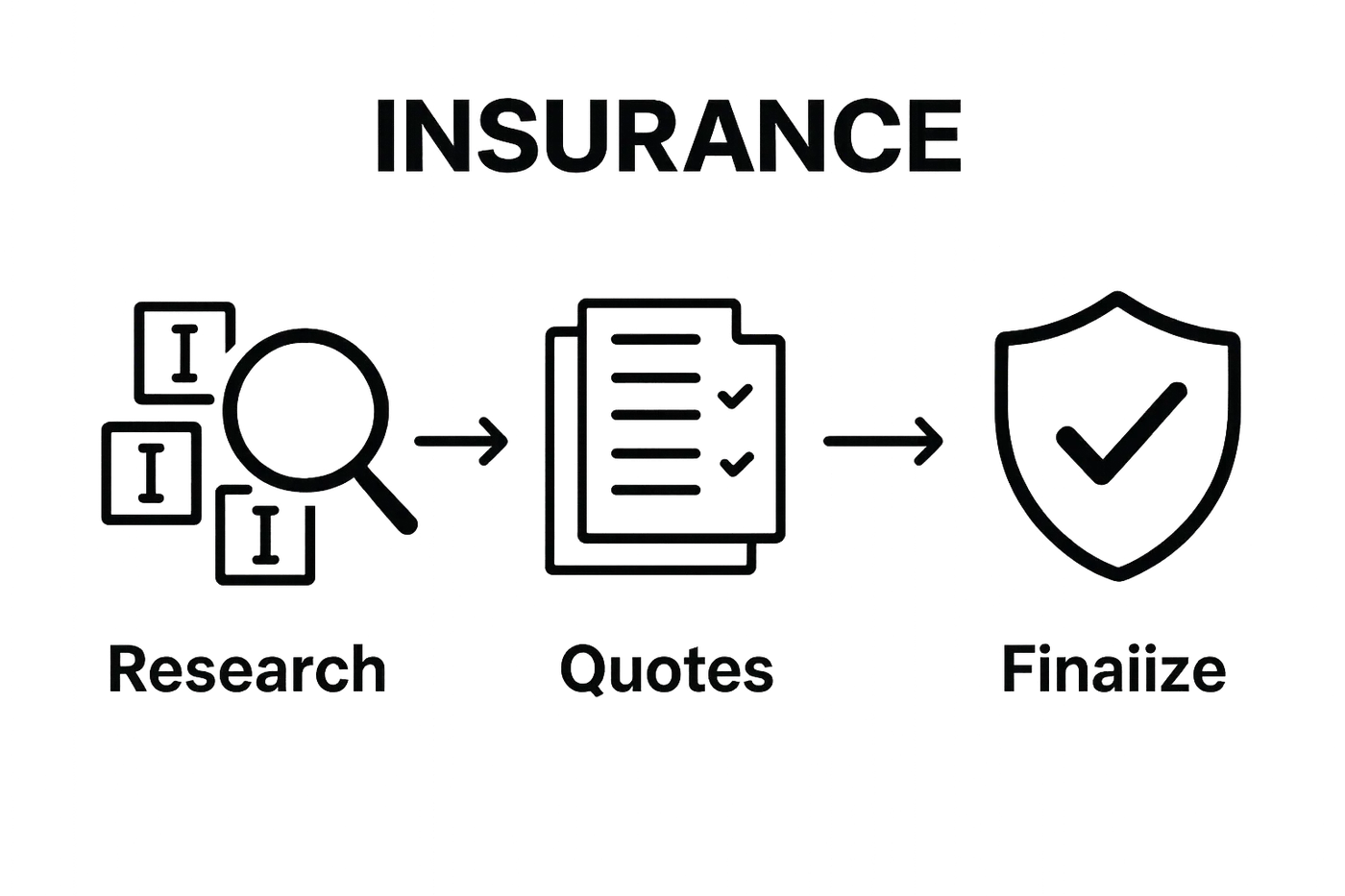
Step 3: Compare Insurance Quotes
Comparing insurance quotes is more than just looking at price tags - it’s about understanding the comprehensive value each provider offers. Why compare car insurance reveals the critical nuances of this essential step in selecting the right insurance.
Begin by organizing the quotes you’ve collected from different providers into a systematic comparison framework. Create a detailed spreadsheet or document that allows you to evaluate each quote side by side. Critical comparison elements include not just monthly premiums, but also excess amounts, coverage limits, exclusions, and additional benefits that might not be immediately apparent.
Key Comparison Factors:
- Total annual cost
- Coverage extent and limitations
- Excess payment requirements
- Additional service benefits
- Claim processing reputation
Dig deeper than surface-level pricing.
A cheaper premium might come with significantly higher excess payments or more restrictive coverage terms. Pay close attention to the fine print that details exactly what is and isn’t covered. Some providers might offer seemingly identical coverage, but the devil is in the details - such as how quickly they process claims or their flexibility during challenging circumstances.
Consider the long-term value rather than just immediate cost savings. A slightly more expensive policy might provide more comprehensive protection, faster claim processing, or better customer support. Think about your specific needs identified in the first step - does each quote genuinely address your unique risk profile?
Utilize online comparison tools as starting points, but don’t rely on them exclusively. These platforms provide quick overviews but cannot capture the full complexity of insurance offerings. Supplement digital research with direct conversations with insurance representatives. Ask pointed questions about policy details, seek clarification on complex terms, and request detailed explanations of how different coverage options might apply to your specific situation.
By the end of this step, you should have a clear, comprehensive understanding of how each insurance quote matches your needs. Your goal is not to find the cheapest option, but to identify the most suitable protection that offers the best balance between cost, coverage, and reliability.
Step 4: Review Policy Details Thoroughly
Reviewing policy details is the most critical step in selecting the right insurance provider. Top tips for choosing an insurer emphasize the importance of understanding every nuance of your potential insurance contract before making a final commitment.
Approach policy review with meticulous attention to detail. Comprehensive policy examination requires more than a casual glance - it demands a systematic, line-by-line analysis of the entire document. Start by creating a dedicated workspace where you can concentrate without distractions, equipped with highlighters, sticky notes, and a clear mind ready to dissect complex insurance language.
Critical Areas to Scrutinize:
- Exact coverage limits
- Specific exclusion clauses
- Claim submission procedures
- Excess payment requirements
- Renewal and cancellation terms
Pay extraordinary attention to the exclusion clauses - these are the sections that detail what situations will not be covered under your policy. Many consumers make the critical mistake of overlooking these details, only to discover limitations when they need coverage most. Each exclusion represents a potential financial risk, so understand them thoroughly.
Do not hesitate to request clarification directly from the insurance provider. Insurance documents are often written in complex legal language designed to be challenging to interpret. Schedule a consultation with a representative who can walk you through the most critical sections, explaining technical terms and potential scenarios where coverage might or might not apply.
Compare the policy details against the specific needs you identified in your initial insurance assessment. Does this policy genuinely protect you in the ways you require? Look beyond the surface-level promises and examine the practical implementation of coverage. Some policies might sound comprehensive but have intricate conditions that significantly limit their actual usefulness.
By the conclusion of this step, you should feel confident that you comprehend every aspect of the potential insurance policy. Your goal is not just understanding, but achieving a crystal-clear picture of exactly what protection you are purchasing and under what specific conditions that protection will be activated.

Step 5: Check Provider Reputation and Reviews
Investigating an insurance provider’s reputation is more than a mere formality - it’s a critical step in protecting your financial interests. How to check insurance status can provide initial insights, but a comprehensive reputation review requires a multi-dimensional approach.
Begin by casting a wide net across multiple review platforms and sources. Reputation research should include official consumer complaint databases, independent review websites, social media channels, and professional industry ratings. Do not rely exclusively on the testimonials presented by the insurance companies themselves - these are inherently biased and designed to showcase only positive experiences.
Key Reputation Assessment Factors:
- Customer service responsiveness
- Claims processing efficiency
- Financial stability ratings
- Complaint resolution track record
- Long-term customer satisfaction
Dive deep into online forums and independent review sites where actual customers share unfiltered experiences. Pay special attention to patterns in feedback rather than isolated incidents. A single negative review might be an anomaly, but consistent complaints about claim denials, poor communication, or bureaucratic obstacles signal potential systemic issues.
Consult professional rating agencies that evaluate insurance providers based on financial strength and reliability. These organizations conduct rigorous assessments of an insurer’s ability to meet financial obligations and maintain stable operations. A high rating from agencies like A.M. Best or Standard & Poor’s indicates a provider’s long-term sustainability and reliability.
Remember that reputation is not just about positive reviews - it’s about how a company handles challenges. Look for providers that demonstrate transparency, quick problem resolution, and genuine commitment to customer support. An insurance company’s true character often reveals itself during claim processes and difficult scenarios.
By the end of this step, you should have a comprehensive understanding of each potential insurance provider’s reputation. Your goal is not to find a perfect company - no such entity exists - but to identify a provider with consistent, trustworthy performance that aligns with your specific insurance needs.
Step 6: Finalize Your Choice and Apply
Finalizing your insurance choice represents the culmination of a thorough, strategic selection process. How to switch insurers can provide additional context, but this step requires careful, deliberate action to ensure you’re making the best possible decision.
Prepare a comprehensive documentation package before initiating your application. Application readiness means gathering all necessary personal information, identification documents, proof of assets, and any specific documentation related to the insurance type you’re pursuing. Organize these materials systematically, creating digital and physical copies to streamline the application process.
Here is a handy checklist table to help you confirm your documentation and readiness before submitting your insurance application in South Africa.
| Documentation Item | Purpose/Requirement |
|---|---|
| Valid government-issued ID | Proof of identity for application and verification |
| Proof of residence | Confirms your address and residency status |
| Vehicle registration documents | Needed for motor/car insurance policies |
| Current income verification | Establishes financial status or coverage calculation |
| Detailed asset information | Ensures accurate coverage for possessions/assets |
Critical Documentation Checklist:
- Valid government-issued identification
- Proof of residence
- Vehicle registration documents
- Current income verification
- Detailed asset information
Schedule a final consultation with your chosen insurance provider to clarify any remaining questions or potential uncertainties. This personal interaction serves multiple purposes - it allows you to confirm the details of your selected policy, understand the exact application process, and gauge the responsiveness of the provider’s customer service team.
Carefully review the application form, ensuring every section is completed accurately and comprehensively. Even minor errors or omissions can potentially delay your application or create complications during future claims. Take your time, double-check all entries, and do not hesitate to request clarification on any sections you find confusing.
Be prepared for potential additional verification steps. Insurance providers might request supplementary information, conduct risk assessments, or require medical examinations depending on the type of coverage. Maintain open communication channels and respond promptly to any follow-up requests to prevent unnecessary delays in your application process.
By the conclusion of this step, you should have submitted a meticulous, well-prepared application that accurately reflects your insurance needs. Your goal is not just to obtain coverage, but to establish a robust, transparent relationship with an insurance provider who understands and protects your unique financial interests.
Make the Smart Insurance Choice for Your Peace of Mind
After following each careful step in “How to Choose Insurance Provider: A Step-by-Step Guide,” you might still worry about choosing a provider who truly has your back. Are you concerned about unclear policy details, poor claim processing, or the risk of incomplete coverage? Your goal is to protect what matters most with absolute confidence. Whether it is your car, home, valuables, or even cellphone, understanding your needs and reviewing the fine print can feel overwhelming. We understand how stressful it can be to search for a provider that lives up to its promises.
This is exactly where Savvy Insurance steps in to simplify your journey. Explore tailored solutions for car, home, or contents insurance and get answers to your questions with clear policy breakdowns and a proven reputation. Every quote and product detail is designed for South Africans who want complete clarity and real value. Experience the difference yourself - visit Savvy Insurance now and see why so many have made the switch for trusted protection and peace of mind.
Frequently Asked Questions
How do I assess my insurance needs before choosing a provider?
Begin by conducting a personal risk assessment, evaluating your assets, potential vulnerabilities, and financial obligations. Consider factors like your life stage, dependents, and significant personal assets that require protection.
What factors should I research when selecting an insurance provider?
Research factors such as the provider’s financial stability, market reputation, range of products, customer service track record, claims processing efficiency, and price competitiveness to find the right fit for your needs.
How can I effectively compare insurance quotes from different providers?
Organize the quotes into a comparison framework that includes total annual cost, coverage extent and limitations, excess payment requirements, and additional service benefits. Look beyond just the price to understand the overall value of each policy.
What details should I focus on when reviewing an insurance policy?
When reviewing a policy, scrutinize coverage limits, exclusion clauses, claim submission procedures, excess payment requirements, and renewal and cancellation terms to ensure you understand the protection you’re getting.
Recommended
- Top Tips for Choosing an Insurer in 2025: Essential Advice - Savvy Insurance
- How to Switch Insurers in 2025: A Simple Guide for Car and Home Owners - Savvy Insurance
- Top Tips for Choosing an Insurer in 2025: Essential Advice - Savvy Insurance
- Best Insurance for New Cars in 2025: Top Picks and Tips - Savvy Insurance
Ready to compare insurance? Get free, no-obligation quotes from South Africa's top insurers in a few minutes and see how much you could save.
Compare insurance quotes →Free · No obligation · POPIA compliant · We never sell your data