

You might think your valuables are safe just because you have the keys or the paperwork in a drawer. But in South Africa, owners without thorough documentation can face weeks of delays and even lose up to 30 percent of claims due to insufficient proof. This means that what really decides your security in a crisis is not the asset itself but the strength of your ownership records.
Table of Contents
- Defining Proof Of Ownership Insurance And Its Role
- The Importance Of Proof Of Ownership Insurance For Asset Protection
- How Proof Of Ownership Insurance Works In Real-Life Scenarios
- Key Concepts And Terms Related To Proof Of Ownership Insurance
Quick Summary
| Takeaway | Explanation |
|---|---|
| Proof of ownership is essential for asset verification | This insurance provides necessary documentation to establish legal ownership of various assets like vehicles and property. |
| Comprehensive documentation aids insurance claims | Proper proof facilitates faster resolution in claims pertaining to theft, damage, or asset loss, ensuring financial recovery. |
| Mitigates financial risks effectively | It protects against potential legal challenges, claim complications, and unexpected financial liabilities related to assets. |
| Supports strategic asset management | Keeping detailed records enables better tracking of asset value and informed decision-making for future financial planning. |
| Legal clarity simplifies ownership disputes | Clear documentation of ownership strengthens legal positions in potential disputes over asset claims, protecting individual rights. |
Defining Proof of Ownership Insurance and Its Role
Proof of ownership insurance represents a critical financial protection mechanism designed to validate and safeguard an individual’s legal rights to specific assets. At its core, this form of insurance provides documentation and financial security that confirms an asset’s rightful ownership, protecting individuals against potential disputes or losses.
What is Proof of Ownership Insurance?
Proof of ownership insurance serves as a comprehensive documentation and verification process that establishes legal ownership of valuable assets. According to the South African legal framework, these assets can include vehicles, property, high-value personal items, and business equipment. The primary purpose of this insurance is to create an official record that substantiates an owner’s claim to a specific asset.
Key elements of proof of ownership insurance typically include:
- Official registration documents
- Purchase receipts and transaction records
- Detailed asset descriptions
- Photographic evidence of the asset
- Serial number and identification details
Why Proof of Ownership Insurance Matters
Ownership verification becomes crucial in several scenarios, such as asset transfer, insurance claims, estate settlements, and potential theft investigations. Without proper documentation, individuals may struggle to prove legitimate ownership, which can lead to significant financial and legal complications.
For instance, if a vehicle is stolen or damaged, having comprehensive proof of ownership documentation can expedite insurance claims and legal processes. Research from the South African Insurance Association highlights that well-documented ownership reduces claim processing time and minimizes potential disputes between asset owners and insurance providers.
Moreover, proof of ownership insurance provides an additional layer of protection by creating a standardized method of documenting asset ownership. This process not only protects individual asset owners but also contributes to broader regulatory compliance and financial transparency. Read more about vehicle insurance documentation to understand how ownership verification plays a critical role in comprehensive insurance coverage.
Whether you are a car owner, property investor, or business equipment manager, understanding and implementing proof of ownership insurance can provide peace of mind and financial security in an increasingly complex asset management landscape.
The Importance of Proof of Ownership Insurance for Asset Protection
Proof of ownership insurance plays a pivotal role in safeguarding an individual’s financial interests and protecting valuable assets against potential risks. This specialized form of documentation provides comprehensive protection that extends far beyond simple record-keeping.
Financial Risk Mitigation
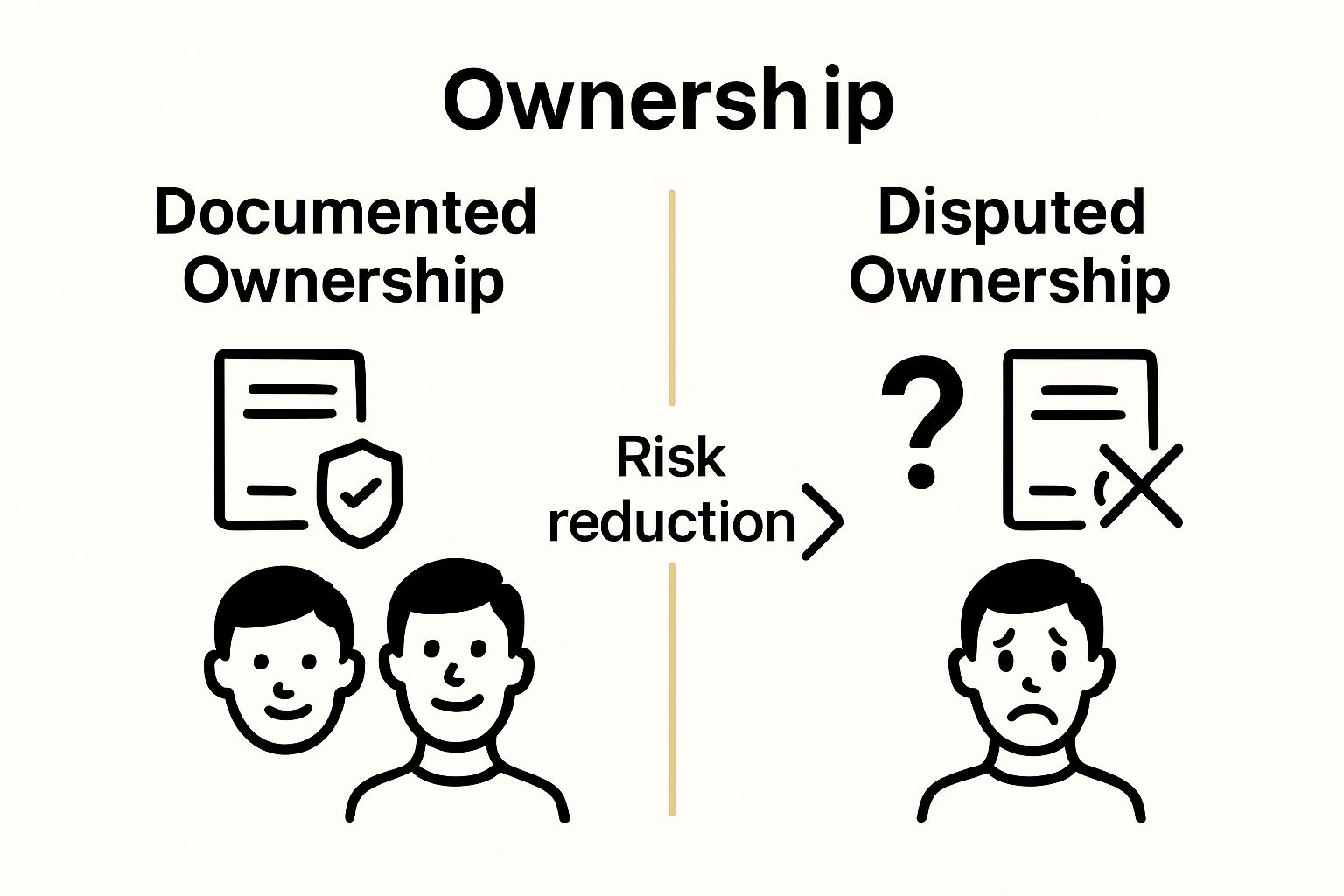
Asset protection through proof of ownership insurance serves as a critical defense mechanism against financial vulnerabilities. According to research from PSG Insurance, documented ownership significantly reduces the likelihood of financial losses during unexpected events such as theft, damage, or legal disputes.
Key financial risks mitigated by proof of ownership insurance include:
- Potential asset value depreciation
- Legal challenges regarding legitimate ownership
- Complex insurance claim processes
- Unexpected financial liabilities
- Challenges during asset transfer or inheritance
Legal and Insurance Claim Protection
Proof of ownership documentation becomes instrumental during insurance claim processes, providing a clear and legally recognized record of asset ownership. In scenarios involving vehicle theft, property damage, or equipment loss, having comprehensive ownership documentation expedites claim resolution and strengthens the owner’s legal position.
The documentation typically demonstrates:
- Clear chain of ownership
- Original purchase details
- Asset specifications and unique identifiers
- Maintenance and valuation history
- Comprehensive photographic evidence
Moreover, learn more about comprehensive asset protection strategies to understand how meticulous documentation can prevent potential financial setbacks.
Strategic Asset Management
Beyond immediate protection, proof of ownership insurance contributes to long-term strategic asset management. By maintaining precise records, individuals and businesses can track asset value, plan for potential replacements, and make informed financial decisions.
Ultimately, proof of ownership insurance represents more than a bureaucratic requirement. It is a proactive approach to financial security, offering peace of mind and concrete protection against unforeseen circumstances that could potentially compromise an individual’s most valuable possessions.
How Proof of Ownership Insurance Works in Real-Life Scenarios
Proof of ownership insurance transforms theoretical protection into practical safeguarding across various real-world scenarios, demonstrating its critical role in asset management and financial security. Understanding how this insurance operates in different contexts helps individuals appreciate its comprehensive protective capabilities.
Vehicle Ownership Scenarios
In automotive contexts, proof of ownership insurance becomes particularly crucial. According to the South African Automobile Association, vehicle ownership documentation plays a pivotal role in preventing fraud and expediting claim processes. For instance, when a vehicle is stolen or involved in an accident, comprehensive ownership documentation can significantly streamline insurance claims and legal proceedings.
Key vehicle ownership documentation requirements include:
- Original vehicle registration certificate
- Comprehensive service history
- Detailed purchase receipts
- Vehicle identification number records
- Photographic evidence of the vehicle’s condition
Property and High-Value Asset Protection
Beyond vehicles, proof of ownership insurance extends to various high-value assets such as property, electronics, and specialized equipment. The documentation serves as a critical layer of protection against potential disputes, theft, or unexpected asset loss.
Scenarios where proof of ownership becomes essential include:
- Estate planning and inheritance processes
- Insurance claim settlements
- Asset valuation and transfer
- Legal disputes regarding ownership
- Protection against fraudulent claims
Explore strategies for managing insurance risks to understand how comprehensive documentation can protect your valuable assets.
Business and Personal Asset Management
For both businesses and individuals, proof of ownership insurance represents a strategic approach to asset management. It provides a systematic method of tracking asset value, maintaining accurate records, and ensuring comprehensive financial protection.
Ultimately, proof of ownership insurance is not just a bureaucratic formality but a proactive strategy for mitigating financial risks.
 By maintaining meticulous documentation, individuals and businesses can navigate complex ownership scenarios with confidence and security.
Key Concepts and Terms Related to Proof of Ownership Insurance
Understanding the specialized terminology surrounding proof of ownership insurance is crucial for navigating the complex landscape of asset protection and documentation. This section demystifies the essential concepts and language used in this critical financial protection strategy.
Core Terminology Explained
According to legal experts in asset documentation, proof of ownership insurance relies on several fundamental terms that define its scope and application. These technical terms help create a standardized framework for asset verification and protection.
Key terminology in proof of ownership insurance includes:
- Chain of Ownership: The documented sequence of asset transfers and ownership changes
- Asset Provenance: The origin and historical documentation of an asset
- Title Deed: Legal document confirming ownership rights
- Valuation Certificate: Professional assessment of an asset’s current market value
- Transfer Documentation: Official records tracking asset ownership transitions
Technical Documentation Components
Proof of ownership insurance encompasses a comprehensive set of technical documentation that goes beyond simple record-keeping. Each component serves a specific purpose in establishing and protecting asset ownership rights.
Essential documentation components include:
- Comprehensive identification records
- Detailed asset specifications
- Transactional history
- Condition assessment reports
- Maintenance and service logs
Learn more about specialized insurance documentation strategies to enhance your asset protection approach.
Legal and Financial Implications
The terminology and documentation associated with proof of ownership insurance carry significant legal and financial weight. These terms are not merely administrative labels but represent critical mechanisms for protecting an individual’s financial interests.
Understanding these concepts empowers asset owners to navigate complex ownership scenarios with confidence.
Below is a table defining key terminology used in proof of ownership insurance, helping to clarify important concepts and documentation terms for South African asset owners.
| Term | Definition |
|---|---|
| Chain of Ownership | The documented sequence of asset transfers and ownership changes |
| Asset Provenance | The origin and historical documentation of an asset |
| Title Deed | Legal document confirming ownership rights |
| Valuation Certificate | Professional assessment of an asset’s current market value |
| Transfer Documentation | Official records tracking asset ownership transitions |
| Maintenance and Service Logs | Records evidencing upkeep and repairs on an asset |
| Transactional History | Documentation outlining all purchase, sale, and transfer events related to an asset |
Turn Proof of Ownership into Powerful Asset Protection—Secure Your Peace of Mind
You work hard for your assets, but missing or unclear documentation can leave you vulnerable to unexpected disputes, slow claims, or even financial loss. This article highlighted how vital proof of ownership insurance is for protecting your car, home, or valuables. Without clear registration and evidence, important legal and insurance processes can become stressful and costly.
At King Price Insurance, we help South Africans safeguard their vehicles, homes, and valuables with insurance options that value accurate documentation and your rightful ownership. Whether you want to learn more about reliable car insurance or ensure your home and contents are covered, our guides keep you informed on everything from chain of ownership to speedy claims. If protecting what matters most is important to you, visit King Price Insurance to explore your cover options and secure your proof of ownership today. Don’t wait until a crisis exposes the gaps—get peace of mind for your most valuable assets now.
Frequently Asked Questions
What is proof of ownership insurance and why is it important?
Proof of ownership insurance is a type of documentation that validates and protects an individual’s legal rights to specific assets. It’s essential for mitigating financial losses during events like theft or damage. Understand its contents, such as registration documents and purchase receipts, to ensure your assets are adequately protected.
How can I gather the necessary documentation for proof of ownership insurance?
To gather the necessary documentation, collect items such as official registration documents, purchase receipts, and photographs of the asset. Ensure all details are accurate and comprehensive to support your ownership claim effectively. Start by organizing these documents in a single folder to streamline the process.
What steps should I take in case my asset is stolen?
If your asset is stolen, immediately report the theft to local authorities and provide them with your ownership documentation. This includes registration certificates and detailed descriptions of the item. Act quickly to mitigate potential financial losses and expedite any insurance claims.
How does proof of ownership insurance aid in the insurance claims process?
Proof of ownership insurance aids in the claims process by providing a clear record of ownership that supports your case with the insurance company. This can reduce claim processing times and disputes significantly. Prepare your documentation, such as purchase receipts and valuation certificates, to facilitate smooth claim resolution.
What are the legal implications of not having proof of ownership documentation?
Without proof of ownership documentation, individuals may face legal challenges regarding their rightful ownership of assets, leading to financial losses or disputes. To avoid complications, ensure all documentation is maintained meticulously and is up-to-date. Regularly review your records, especially following significant transactions or changes.
How can I manage my assets effectively with proof of ownership insurance?
To manage your assets effectively, maintain precise records of all ownership documentation, including valuation and maintenance history. This helps in tracking asset value and supports better planning for future investments or sales. Implement a regular review of your documentation every 6 to 12 months to ensure everything remains current.
Recommended
- Understanding Types of Vehicle Insurance in 2025: A Guide for Car Owners – Savvy Insurance
- Insurance for Borrowed Cars: Essential Guide for 2025 – Savvy Insurance
- Car Insurance and Roadworthiness: What Owners Need to Know 2025 – Savvy Insurance
- Understanding Insurance for Single Car Owners – Savvy Insurance
