
Everyone dreads getting that awkward insurance rejection email. The crazy part is that even a single data entry error or a missing document can kill your chances instantly. Most South Africans have no idea how easy it is to avoid disaster with just five careful steps that almost nobody bothers to follow.
Table of Contents
- Step 1: Gather Necessary Documents And Information
- Step 2: Review Your Insurance Application Thoroughly
- Step 3: Ensure Accurate And Complete Data Entry
- Step 4: Communicate Clearly With Insurance Agents
- Step 5: Follow Up On Your Application Status
Quick Summary
| Key Point | Explanation |
|---|---|
| 1. Gather original documents | Assemble a package including ID, address proof, and financial records to support your application. |
| 2. Review your application thoroughly | Check for accuracy in personal information to avoid discrepancies that could lead to rejection. |
| 3. Ensure precise data entry | Use original documents as references to prevent errors when filling out the application. |
| 4. Communicate effectively with agents | Prepare questions and provide clear information about your insurance needs during conversations. |
| 5. Follow up on application status | Regularly check your application’s progress through available channels and document all interactions. |
Step 1: Gather Necessary Documents and Information
When preparing to apply for insurance, your first critical step involves collecting and organizing all essential documentation. This foundational stage can significantly reduce the likelihood of insurance rejection and streamline your application process. Proper document preparation demonstrates your reliability and helps insurers assess risk more accurately.
Understanding Document Requirements
Successful insurance applications depend on presenting comprehensive and accurate information. Begin by assembling key personal and financial documents that verify your identity, address, and relevant risk factors. Original documents are preferable, as photocopies might not always meet insurers’ stringent requirements.
Your core documentation package should typically include government issued identification, proof of residential address, and financial records. For vehicle insurance, you will need additional documentation such as vehicle registration certificates, driver’s license, and previous insurance history. Homeowners must prepare property ownership documents, building plans, and current property valuation reports.
The South African Revenue Service recommends gathering these critical documents:
- Valid government ID or passport
- Recent utility bill proving residential address
- Vehicle registration certificate
- Detailed property ownership documents
- Previous insurance claim history
- Professional valuation reports for high-value assets
Preparing these documents meticulously reduces potential delays or complications during your insurance application. Digital copies stored securely can also serve as backup, ensuring you have multiple access points for critical paperwork. By investing time in thorough document preparation, you demonstrate professionalism and increase your chances of a smooth, successful insurance approval process.
Below is a handy checklist table to help you track the essential documents and information required for your insurance application as mentioned in the article.
| Document or Information | Purpose | Notes |
|---|---|---|
| Government-issued ID or Passport | To verify your identity | Original is preferred |
| Proof of Residential Address | Confirms your current residence | Recent utility bill is commonly used |
| Vehicle Registration Certificate | Proves vehicle ownership and details | Required for vehicle insurance |
| Property Ownership Documents | Confirms property ownership | Essential for home insurance |
| Previous Insurance Claim History | Discloses past risk and claims | Should be accurate and comprehensive |
| Financial Records | Assesses your financial stability | Examples: payslips, bank statements |
| Professional Valuation Reports | Confirms asset value | Needed for high-value assets |
Remember that each insurance provider might have slightly different documentation requirements. Contact your specific insurer directly to confirm their exact documentation checklist and confirm any unique requirements they might have for your particular application.
Step 2: Review Your Insurance Application Thoroughly
Carefully reviewing your insurance application is a critical step in preventing potential rejection and ensuring comprehensive coverage. This meticulous process requires attention to detail and a systematic approach to examining every aspect of your submission. Accuracy is your most powerful defense against insurance application denial.
Start by reading through each section of the application multiple times, treating it like a legal document where every word carries significant weight. Pay particular attention to personal information, ensuring your name, address, contact details, and identification numbers are exactly as they appear on official documents. Even minor discrepancies can trigger automatic rejections or create complications during claim processing.
According to the South African Institute of Chartered Accountants, common application errors can lead to immediate policy disqualification. When reviewing financial and risk-related sections, be brutally honest and precise. This includes:
- Declaring all previous insurance claims
- Accurately reporting vehicle modifications
- Providing truthful information about property conditions
- Disclosing any relevant health or driving history
For vehicle and home insurance, cross-reference your application details with supporting documentation. Verify that vehicle identification numbers, property addresses, and ownership details match exactly with your original documents. Inconsistent information is a red flag for insurers and can result in immediate application rejection.
If possible, have a second pair of eyes review your application. A family member or trusted friend might catch errors you have overlooked. Some insurance brokers also offer complimentary application review services that can help identify potential issues before submission. For even more guidance, read our detailed tips on understanding insurance cover to ensure you are fully prepared.
Finally, make digital and physical copies of your completed application for your records. This provides a reference point and demonstrates your commitment to transparency. By investing time in thorough review, you significantly reduce the risk of insurance rejection and position yourself for a smoother, more successful application process.
Step 3: Ensure Accurate and Complete Data Entry
Accurate data entry is the linchpin of a successful insurance application, serving as your primary defense against potential rejection. This critical step transforms your carefully gathered documents into a compelling narrative that insurers will evaluate. Precision is paramount when transferring information from your source documents to the insurance application.
Begin by creating a quiet, distraction-free environment where you can focus entirely on data entry. Use the original documents you collected in the first step as your primary reference, cross-checking each piece of information multiple times. Digital tools like spreadsheet software can help you organize and verify details systematically. Pay special attention to numerical data such as vehicle identification numbers, property measurements, and personal identification details.
According to the Ombudsman for Short-term Insurance, policy exclusions frequently arise from data entry errors. Therefore, implement a deliberate, methodical approach to entering information. Some critical areas requiring meticulous attention include:
- Exact spelling of names and addresses
- Precise vehicle registration numbers
- Accurate property valuation figures
- Complete employment and income details
- Comprehensive vehicle and property modification information
Technological assistance can be a game-changer in reducing human error. Consider using digital form-filling tools that offer auto-validation and cross-referencing capabilities. These tools can instantly highlight potential inconsistencies or missing information, allowing you to address them before submission.
If you are unsure about any entry, it is better to contact the insurance provider directly for clarification rather than making assumptions. Many insurers offer helplines or online support to guide applicants through complex sections of their applications. For additional guidance on navigating insurance applications, check out our comprehensive tips for choosing an insurer.
As a final verification step, create a duplicate copy of your completed application. Compare this version side-by-side with your original documents, checking each entry meticulously. This double-checking process can reveal subtle errors that might have slipped through initial reviews, significantly reducing your chances of insurance rejection.
Step 4: Communicate Clearly with Insurance Agents
Effective communication with insurance agents is a pivotal step in preventing potential application rejection and ensuring comprehensive coverage. This interaction represents more than a simple transaction it is an opportunity to build a transparent relationship that protects your financial interests. Clear, honest dialogue is your strongest ally in navigating the complex insurance landscape.
Prepare for your interaction by organizing all relevant documentation and creating a comprehensive list of questions beforehand. When speaking with agents, maintain a professional yet conversational tone, focusing on providing precise information about your specific insurance needs. Be prepared to discuss your complete risk profile, including any historical claims, vehicle modifications, or property characteristics that might impact your coverage.
According to the FAIS Act guidelines, insurance intermediaries are required to help clients understand material facts that could influence their policy. Leverage this requirement by asking direct, specific questions about policy terms, potential exclusions, and claim processes. Some critical areas to discuss include:
- Exact coverage limitations
- Specific claim submission procedures
- Potential premium adjustment factors
- Risk mitigation strategies
- Policy renewal conditions
Documentation is key during these conversations. Request written confirmations of any verbal agreements or discussions, and maintain a detailed record of each interaction. Email summaries of phone conversations to create a paper trail that can protect you in future disputes. If an agent uses technical jargon, politely request plain language explanations to ensure complete understanding.
Remember that agents are evaluating your risk profile as much as you are evaluating their insurance product. Be forthright about your circumstances, but also demonstrate that you are a responsible and low-risk client. Highlight any safety measures you have implemented, such as home security systems or advanced driver training, which could potentially lower your premiums. For more insights into navigating the insurance claim process, check out our comprehensive guide.
Conclude each interaction by summarizing your understanding and confirming the next steps. This approach demonstrates your commitment to transparency and helps prevent potential misunderstandings that could lead to future claim rejections.
Step 5: Follow Up on Your Application Status
Tracking your insurance application is a crucial final step that transforms your careful preparation into a potential approved policy. This stage requires patience, persistence, and strategic communication to ensure your application receives proper attention. Proactive follow-up can significantly improve your chances of successful application processing.
Establish a systematic approach to monitoring your application status. Create a dedicated folder both digitally and physically to store all correspondence, reference numbers, and communication records. Most insurance providers offer multiple channels for status updates, including online portals, email communication, and telephone tracking systems. Select the method that provides the most comprehensive and real-time information about your application’s progression.
According to the Unemployment Insurance Fund’s digital tracking methods, modern applicants should leverage technological tools for efficient tracking. Begin by registering on the insurance provider’s online platform, which typically allows you to:
- View real-time application status
- Receive automated email or SMS updates
- Access historical communication records
- Submit additional documentation electronically
- Schedule follow-up consultations
Timing is critical in your follow-up strategy. Most insurance applications require 5-10 business days for initial processing. If you have not received any communication after one week, initiate a professional and courteous inquiry. Prepare your reference numbers, personal identification details, and a brief summary of your application before making contact. When communicating, maintain a calm and professional demeanor, focusing on gathering information rather than expressing frustration.
Document every interaction meticulously. Record the date, time, name of the representative you spoke with, and a summary of the discussion. This documentation can prove invaluable if discrepancies arise later. For more comprehensive insights into navigating insurance application processes, explore our detailed claim process guide.
Consider setting calendar reminders to follow up at regular intervals. If your initial application encounters challenges, request specific feedback about any potential issues. Some insurance providers appreciate proactive applicants who demonstrate commitment to resolving potential complications promptly. By maintaining consistent, professional communication, you increase the likelihood of a successful insurance application and minimize the risk of unexpected rejections.
Protect Your Peace of Mind: Get Insured with Confidence
You have read about the frustration of insurance rejection and the anxiety that comes from incomplete documents or small errors on your applications. Missing details or unclear communication can mean your car or home claim is denied right when you need it most. With your focus on steps like thorough reviews and clear agent conversations, you are clearly serious about getting the right insurance—without nasty surprises or drawn-out claim battles.
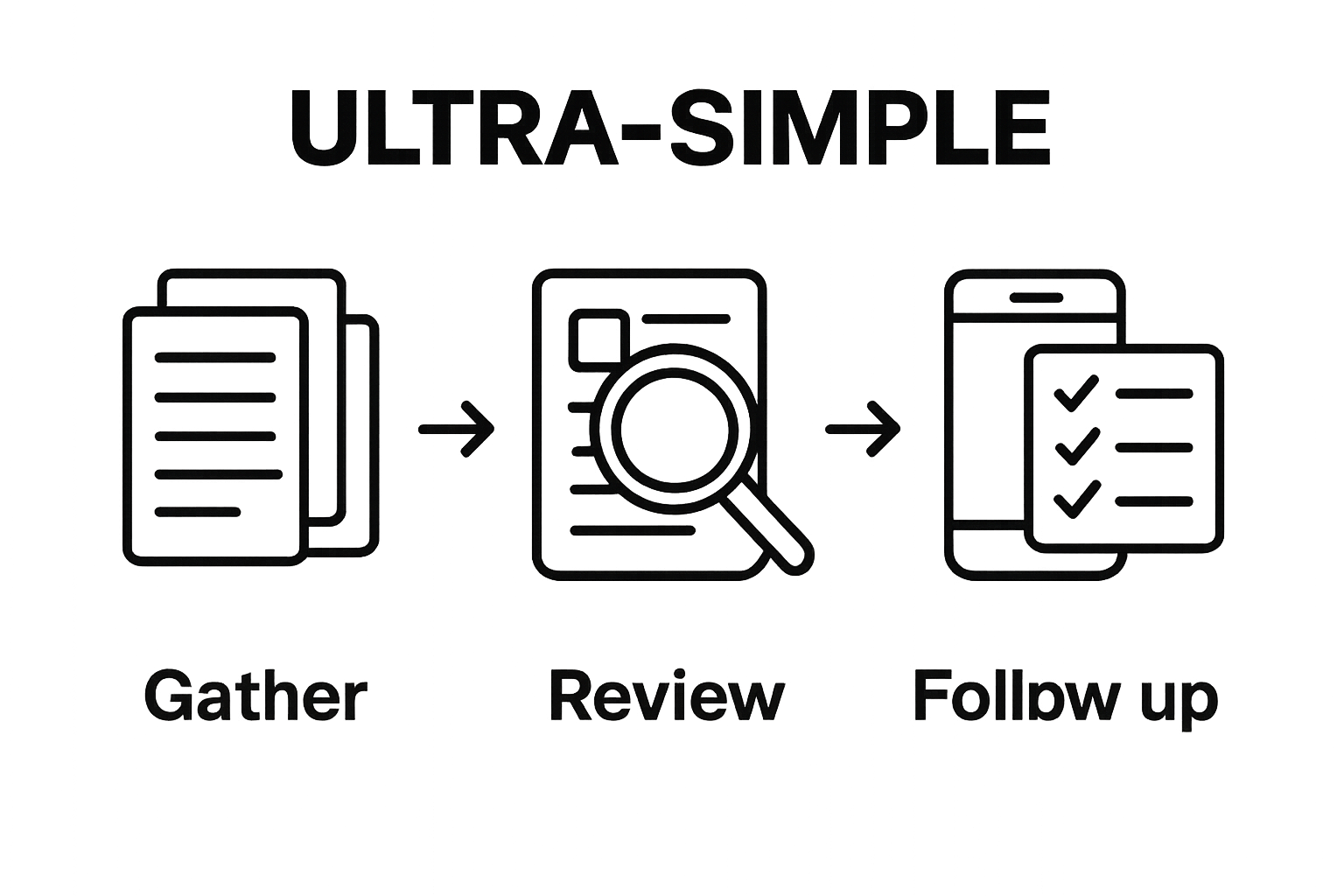
Here is a step overview table summarising each main stage in the process to avoid insurance rejection, with the key focus and an outcome for every step.
| Step | Key Focus | Expected Outcome |
|---|---|---|
| 1. Gather Documents and Information | Preparation & accuracy | All required documents are ready and organised |
| 2. Review Application Thoroughly | Consistency & completeness | Application data matches originals, no discrepancies |
| 3. Ensure Accurate Data Entry | Precision & attention | Error-free, clearly entered information |
| 4. Communicate with Insurance Agents | Clarity & transparency | Clear understanding of cover and policy specifics |
| 5. Follow Up on Application Status | Proactive tracking | Confirmed progress and quick issue resolution |
Why leave it to chance when you can act today? South Africans like you deserve insurance solutions that are simple and transparent. At King Price Insurance, we make it easy for homeowners and drivers to get reliable cover, whether you need car insurance that rewards good preparation or home and contents insurance with straightforward claims. Our local team helps you avoid common pitfalls with genuine advice and clear policy terms, so you stay protected before and after life’s curveballs. Visit https://insurance.kingprice.co.za now to get a tailored quote and put your mind at rest. The sooner you secure the right policy, the sooner you can move forward with real confidence.
Frequently Asked Questions
What documents do I need to prepare for my insurance application?
You should gather a valid government ID or passport, proof of residential address (like a utility bill), vehicle registration certificate (for vehicle insurance), property ownership documents, and previous insurance claim history.
How can I ensure the accuracy of my insurance application?
Meticulously review each section of your application against your original documents, checking for consistency in names, addresses, identification numbers, and other critical details to avoid potential rejections.
What should I do if I make an error on my insurance application?
Contact your insurance provider immediately to correct any inaccuracies. It’s better to clarify and correct mistakes early on than to face problems during the claim process later.
How often should I follow up on my insurance application status?
You should initiate a follow-up after 5-10 business days from your application submission if you haven’t received any updates. Regular follow-ups demonstrate your commitment and can help speed up the processing of your application.
Recommended
- Saving Money on Car Insurance: Top Tips for 2025 – Savvy Insurance
- Best Youth Driver Insurance Tips for 2025: Save and Stay Safe – Savvy Insurance
- Insurance Inspection Requirements 2025: Guide for Home and Car Owners – Savvy Insurance
- Annual Insurance Review Tips for Car and Home Owners 2025 – Savvy Insurance
- How to Choose Rental Insurance: A Complete Guide for Landlords – Rental Income Insurance
- The Basics of Estate Planning for New Homeowners – Law Office of Eric Ridley