

Car insurance legal requirements sound like paperwork no one wants to deal with. Yet in South Africa, driving uninsured can cost you up to R10,000 in fines and get your licence suspended. Most people think these rules are just red tape. Actually, they are designed as a lifeline that protects every driver from financial disaster after an accident.
Table of Contents
- What Are Car Insurance Legal Requirements?
- Why Car Insurance Legal Requirements Matter for Drivers
- How Car Insurance Legal Requirements Vary by Region
- Key Concepts Behind Car Insurance Legal Requirements
- The Impact of Non-Compliance with Car Insurance Laws
Quick Summary
| Takeaway | Explanation |
|---|---|
| Know your mandatory coverage requirements | Understand the basic types of liability coverage required, including bodily injury and property damage. |
| Non-compliance has serious penalties | Failure to maintain required insurance can lead to fines, suspensions, and possible legal ramifications. |
| Understand regional differences in insurance laws | Insurance requirements can vary by region; always check local regulations before driving. |
| Protect yourself from financial risks | Legal car insurance protects you from high costs associated with accidents, including medical and legal expenses. |
| Car insurance fosters societal responsibility | Insurance laws ensure accountability and help protect innocent victims from uninsured drivers’ financial repercussions. |
What Are Car Insurance Legal Requirements?
Car insurance legal requirements represent a critical framework of regulations designed to protect drivers, passengers, and other road users from potential financial risks associated with vehicular accidents. These mandatory provisions establish the minimum standards of financial protection that every driver must maintain while operating a motor vehicle.
Below is a summary table outlining the main types of mandatory car insurance coverage required for South African drivers and what each type covers.
| Coverage Type | What it Covers |
|---|---|
| Bodily Injury Liability | Medical expenses and legal costs if you injure another person in an accident |
| Property Damage Liability | Costs to repair or replace another person’s vehicle or property |
| Personal Injury Protection | Medical expenses for you and your passengers, regardless of who is at fault |
Understanding Mandatory Coverage
Legal requirements for car insurance fundamentally revolve around liability coverage, which ensures that drivers can financially compensate others for damages or injuries they might cause during an accident. Comprehensive car insurance guidelines typically mandate specific minimum coverage levels that drivers must maintain.
Key mandatory coverage components include:
- Bodily Injury Liability: Covers medical expenses and potential legal costs if you injure another person in an accident
- Property Damage Liability: Provides financial protection for damages caused to another person’s vehicle or property
- Personal Injury Protection: Covers medical expenses for you and your passengers, regardless of accident fault
Financial Responsibility and Legal Implications
Car insurance legal requirements are not merely suggestions but legally enforceable regulations with significant consequences for non-compliance. Drivers who fail to maintain the required insurance coverage can face substantial penalties, which may include:
- Monetary fines
- Suspension of vehicle registration
- Potential license revocation
- Legal liability for accident-related expenses
By understanding and adhering to these essential car insurance guidelines, drivers can protect themselves financially and legally while contributing to overall road safety.
Why Car Insurance Legal Requirements Matter for Drivers
Car insurance legal requirements extend far beyond mere bureaucratic regulations. They represent a critical mechanism for protecting individual drivers, passengers, and the broader societal infrastructure against potential financial devastation resulting from vehicular incidents.
Financial Protection and Risk Mitigation
The fundamental purpose of legal car insurance requirements is to safeguard drivers from catastrophic financial losses. When an accident occurs, the potential expenses can be overwhelming. Medical treatments, vehicle repairs, legal fees, and potential liability claims can quickly escalate into hundreds of thousands of rand. Understanding driver protection strategies becomes crucial in navigating these complex financial landscapes.
Financial risks drivers face include:

- Potential medical expenses for injured parties
- Vehicle repair or replacement costs
- Legal representation expenses
- Potential civil lawsuit damages
Legal and Social Responsibility
Car insurance legal requirements are not simply punitive measures but represent a broader social contract. According to research on financial responsibility laws, these regulations ensure that drivers can be held accountable for potential damages they might cause. This framework protects innocent parties who might otherwise bear the financial burden of an uninsured driver’s actions.
Key social benefits include:
- Ensuring compensation for accident victims
- Reducing financial strain on public healthcare systems
- Creating a responsible driving ecosystem
- Promoting collective road safety awareness
By mandating minimum insurance coverage, legal requirements create a safety net that protects individual drivers and the broader community from potentially ruinous financial consequences.
How Car Insurance Legal Requirements Vary by Region
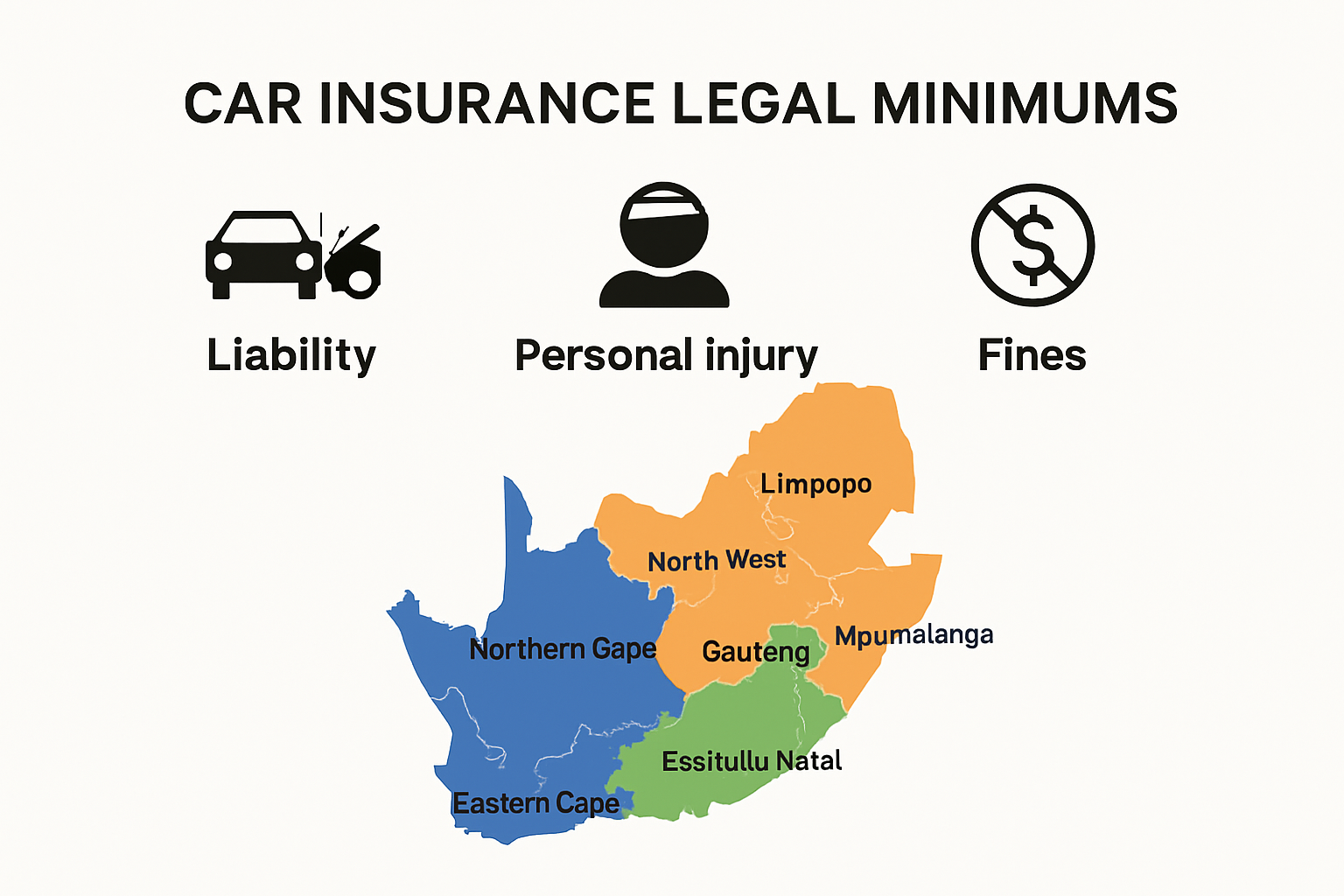
Car insurance legal requirements are not uniform across different regions, creating a complex landscape of regulations that drivers must navigate carefully. These variations reflect local legislative priorities, economic conditions, and specific risk profiles inherent to different geographical areas.
Regional Coverage Minimums
Minimum insurance requirements differ significantly between regions, with each jurisdiction establishing its own standards for financial protection. Regional insurance regulations play a crucial role in determining the precise coverage drivers must maintain.
Typical regional variations include:
- Differences in mandatory liability coverage amounts
- Variations in personal injury protection requirements
- Unique additional coverage mandates
- Distinct penalties for non-compliance
Factors Influencing Regional Variations
Multiple factors contribute to the complexity of regional car insurance legal requirements. According to research on auto insurance regulations, these variations stem from several critical considerations:
- Local traffic density and accident rates
- State or provincial economic conditions
- Population demographics
- Specific legal frameworks governing transportation
Drivers must remain acutely aware that moving between regions can significantly impact insurance obligations. What constitutes legal coverage in one area might be insufficient or non-compliant in another.
Understanding insurance cost factors becomes essential for drivers who frequently travel or relocate.
The dynamic nature of these requirements underscores the importance of regularly reviewing and updating insurance coverage to ensure continuous legal compliance and adequate financial protection.
Key Concepts Behind Car Insurance Legal Requirements
Car insurance legal requirements represent a sophisticated system of regulations designed to balance individual financial protection with broader societal risk management. Understanding these foundational concepts provides crucial insight into the complex framework governing automotive insurance.
Fundamental Risk Distribution Principles
Risk distribution forms the core philosophical underpinning of car insurance legal requirements. Understanding driver protection strategies reveals how these regulations aim to spread potential financial losses across a broader population, preventing catastrophic individual economic consequences.
Key risk distribution principles include:
- Pooling resources from multiple drivers
- Creating collective financial buffers
- Establishing predictable compensation mechanisms
- Promoting responsible driving behaviors
Legal Mandate and Social Responsibility
Car insurance legal requirements transcend mere financial transactions. They embody a social contract that ensures accountability and protection for all road users. These mandates compel drivers to demonstrate financial responsibility, protecting potential victims from bearing unexpected economic burdens.
Critical legal considerations encompass:
- Establishing minimum coverage standards
- Protecting innocent parties in accidents
- Creating enforceable financial accountability mechanisms
- Balancing individual rights with collective safety
By integrating comprehensive insurance regulations, legal frameworks transform car insurance from a optional financial product into a crucial societal risk management tool that protects both individual drivers and the broader community.
The Impact of Non-Compliance with Car Insurance Laws
Non-compliance with car insurance legal requirements carries substantial consequences that extend far beyond simple administrative penalties. Drivers who fail to maintain proper insurance coverage expose themselves to significant financial, legal, and personal risks that can have long-lasting repercussions.
Immediate Legal Consequences
Legal penalties for driving without insurance are designed to be punitive and deterrent. Understanding the risks of inadequate coverage reveals the serious implications of ignoring mandatory insurance regulations.
Immediate consequences typically include:
- Substantial monetary fines
- Potential vehicle impoundment
- Suspension of driver’s license
- Mandatory court appearances
- Potential criminal charges for repeat offenses
Financial and Personal Liability
Beyond immediate legal penalties, non-compliance creates profound financial vulnerability. According to research on auto insurance requirements, uninsured drivers become personally responsible for all damages and medical expenses resulting from accidents.
Potential financial risks encompass:
- Full liability for accident-related medical treatments
- Complete vehicle repair or replacement costs
- Legal expenses from potential civil lawsuits
- Personal asset seizure to cover damages
- Significantly increased future insurance premiums
By exploring comprehensive insurance options, drivers can avoid these catastrophic financial and legal consequences, protecting themselves and others on the road.
Take Control of Your Car Insurance Legal Obligations in South Africa
Are you worried about staying compliant with changing car insurance legal requirements? Many South African drivers face anxiety about costly fines and the risk of losing their license due to inadequate insurance. The article made it clear that financial protection and legal responsibility should never be left to chance, especially when even a small oversight can impact your future. South Africans navigating new regions or renewing their policies often struggle to keep up with minimum liability cover and regional variations. Being unsure if you really have enough cover can keep you up at night.
Let’s put your mind at ease. Visit King Price Insurance for up-to-date advice, easy steps to check your current legal compliance, and tailored solutions that actually suit your needs. Our experts can help you understand the finer points of third party car insurance and comprehensive car insurance, so you are never left exposed if the unexpected happens. Secure your cover with us now and drive South Africa’s roads with absolute confidence.
Frequently Asked Questions
What are the minimum car insurance legal requirements in South Africa?
The minimum car insurance legal requirements in South Africa typically include bodily injury liability, property damage liability, and personal injury protection. These mandatory coverages ensure financial compensation for damage or injuries caused to others in an accident.
What can happen if I drive without car insurance?
Driving without car insurance can lead to significant penalties, including monetary fines, suspension of vehicle registration, revocation of your driver’s license, and personal liability for any damages or injuries you may cause in an accident.
How do car insurance legal requirements vary by region in South Africa?
Car insurance legal requirements differ across various provinces in South Africa, with each region establishing its own minimum coverage amounts and specific regulations. It is essential for drivers to be aware of the insurance requirements applicable in their respective areas.
Why is personal injury protection necessary in car insurance?
Personal injury protection is necessary because it covers medical expenses for you and your passengers, regardless of fault in an accident. This coverage helps to mitigate the financial burden of medical treatments resulting from vehicular incidents.
Recommended
- Understanding Drivers License and Insurance: Essential Insights – Savvy Insurance
- Car Insurance Requirements South Africa: What You Must Know for 2025 – Savvy Insurance
- Do I Need Car Insurance? Essential Guide for 2025 – Savvy Insurance
- How to Add Drivers to Insurance in 2025: A Guide for Car Owners – Savvy Insurance