Understanding Insurance for Electric Vehicles Explained
Electric vehicles are taking over the roads in South Africa, and their high-tech features call for a fresh look at car insurance. Most people are shocked to find that the battery alone can make up nearly 40 percent of an EV’s total value. Yet insurance for these vehicles is more about covering technology than just fixing dents and scratches. The real story is how this new type of cover is changing what protection actually means for drivers.
Table of Contents
- What Is Insurance For Electric Vehicles?
- Why Is Insurance Important For Electric Vehicles?
- How Does Insurance For Electric Vehicles Work?
- Key Concepts In Electric Vehicle Insurance
- The Future Of Insurance For Electric Vehicles
Quick Summary
| Takeaway | Explanation |
|---|---|
| Electric vehicles require specialized insurance coverage. | Standard auto insurance policies do not adequately cover the unique risks associated with electric vehicles, necessitating tailored insurance. |
| Battery protection is a crucial coverage component. | Given that electric vehicle batteries can represent a significant portion of the vehicle’s value, ensuring their protection is paramount. |
| Risk assessment influences premium calculations. | Insurers evaluate factors like battery value and technological complexity to determine insurance costs for electric vehicles. |
| Technological advancements will shape future insurance models. | Future electric vehicle insurance will leverage real-time data and personalized coverage options to enhance protection. |
| Sustainability considerations are becoming important. | Insurers are integrating environmental factors into electric vehicle policies, offering discounts for eco-friendly driving and renewable energy charging solutions. |
What is Insurance for Electric Vehicles?
Insurance for electric vehicles (EVs) represents a specialized form of automobile coverage designed to address the unique characteristics and risks associated with electric transportation. Unlike traditional vehicle insurance, EV insurance takes into account the distinctive technological and financial aspects inherent to electric automobiles.
Understanding Electric Vehicle Insurance Coverage
Electric vehicle insurance provides comprehensive protection tailored specifically to the complex needs of electric cars.
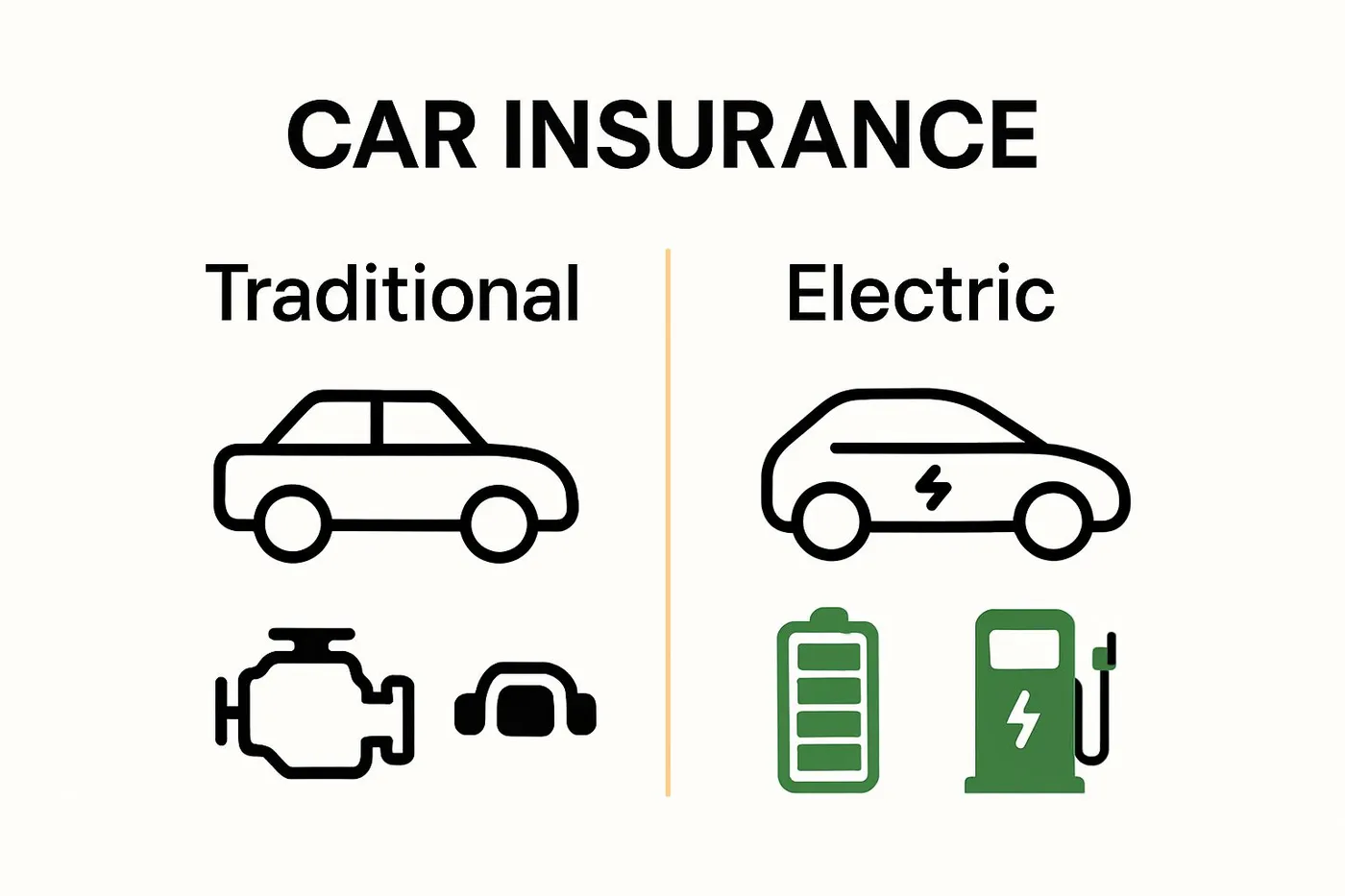 Research from the US Department of Energy indicates that EV insurance encompasses both standard automotive protection and specialized coverage for electric-specific components.
Key aspects of electric vehicle insurance include:
- Battery Protection: Comprehensive coverage for expensive battery systems
- Charging Equipment Coverage: Insurance for home and public charging infrastructure
- High-Voltage System Protection: Specialized repair and replacement provisions
Financial and Technical Risk Management
Electric vehicle insurance goes beyond traditional coverage by addressing the unique financial risks associated with advanced automotive technology. Insurers evaluate multiple factors when designing EV insurance policies, including:
- Replacement Cost: Higher expenses for specialized electric vehicle components
- Technological Complexity: Advanced diagnostic and repair requirements
- Battery Depreciation: Potential diminishment of battery value over time
While standard automobile insurance principles apply, electric vehicles require nuanced risk assessment. Read more about advanced vehicle protection options to understand the comprehensive nature of modern automotive insurance strategies. The intricate nature of electric vehicle technology demands a more sophisticated approach to insurance coverage, ensuring owners receive robust financial protection tailored to their specific technological investment.
Below is a breakdown of the core features and components that distinguish electric vehicle insurance from traditional car insurance, helping you understand what tailored cover typically includes.
| Feature / Component | Description |
|---|---|
| Battery Protection | Cover for repair or replacement of high-value battery systems |
| Charging Equipment Coverage | Insurance for home and public EV charging infrastructure |
| High-Voltage System Protection | Specialised repair and replacement for electrical components |
| Battery Depreciation Coverage | Protection against loss in battery value over time |
| Technological Complexity Assessment | Consideration of advanced diagnostics and specialised repair costs |
| Environmental Damage Assessment | Evaluation of risks to electrical systems from environmental hazards |
| Advanced Repair Provisions | Access to qualified technicians for EV-specific issues |
Why is Insurance Important for Electric Vehicles?
Electric vehicles represent a significant technological and financial investment that requires comprehensive protection. The importance of insurance for electric vehicles extends far beyond traditional automotive coverage, addressing unique risks and financial vulnerabilities specific to electric transportation technology.
High-Value Technological Investment Protection
Research from McKinsey & Company reveals that electric vehicle batteries can constitute up to 40% of a vehicle’s total value. This substantial investment necessitates specialized insurance that provides robust financial protection against potential technological failures, damage, or depreciation.
Key financial risks for electric vehicles include:
- Battery Replacement Costs: Potentially expensive component replacements
- Advanced Repair Requirements: Specialized technical diagnostics and maintenance
- Technology-Specific Damage Protection: Coverage for unique electrical system vulnerabilities
Comprehensive Risk Mitigation
Electric vehicle insurance is crucial for managing complex technological and environmental risks. These specialized policies offer protection against scenarios that traditional automobile insurance might not adequately cover. Check out our guide on advanced vehicle protection to understand the comprehensive nature of modern EV insurance strategies.
Significant considerations for electric vehicle insurance include:
- Charging Infrastructure Coverage: Protection for home and public charging equipment
- High-Voltage System Protection: Specialized repair provisions
- Environmental Damage Assessment: Unique risk evaluation for electrical components
By securing comprehensive insurance, electric vehicle owners can confidently navigate the evolving landscape of advanced automotive technology, ensuring financial security and peace of mind in an increasingly complex transportation ecosystem.
How Does Insurance for Electric Vehicles Work?
Electric vehicle insurance operates through a complex assessment process that considers the unique technological characteristics and associated risks of electric automobiles. Unlike traditional vehicle insurance, EV coverage involves sophisticated risk evaluation and specialized protection mechanisms.
Risk Assessment and Premium Calculation
Research from the US Department of Energy demonstrates that insurers evaluate multiple factors when determining electric vehicle insurance policies. The assessment process involves detailed analysis of technological complexity, potential repair costs, and specific electric vehicle vulnerabilities.
Key factors influencing insurance premium calculations include:
- Battery Value and Replacement Cost: Expensive battery systems significantly impact coverage
- Technological Complexity: Advanced electrical system diagnostics and repair requirements
- Vehicle Model and Manufacturer Specifications: Unique technological design considerations
Coverage Components and Specialized Protection
Electric vehicle insurance typically encompasses comprehensive protection strategies that address technological and environmental risks specific to electric transportation. Learn more about vehicle insurance types to understand the nuanced approach required for electric vehicles.
Core insurance coverage components include:
- Electrical System Protection: Specialized coverage for high-voltage components
- Charging Infrastructure Insurance: Protection for home and public charging equipment
- Battery Depreciation Coverage: Financial safeguards against technological value reduction
Insurers employ advanced risk modeling techniques to develop tailored insurance products that provide robust financial protection for electric vehicle owners. By understanding the intricate technological landscape of electric automobiles, insurance providers can create comprehensive policies that address the unique challenges of this emerging transportation technology.
Key Concepts in Electric Vehicle Insurance
Electric vehicle insurance introduces a complex array of specialized concepts that differentiate it from traditional automotive coverage. Understanding these unique elements is crucial for electric vehicle owners seeking comprehensive protection for their technological investment.
Technological Risk Assessment
Research from the US Department of Energy highlights the intricate nature of electric vehicle insurance, which extends beyond conventional automotive risk evaluation. Insurers must consider multiple technological factors that are unique to electric transportation systems.
Critical technological risk assessment components include:
- Battery Health and Performance: Comprehensive evaluation of battery condition and potential degradation
- Electrical System Complexity: Advanced diagnostic requirements for high-voltage systems
- Technological Obsolescence: Insurance considerations for rapidly evolving electric vehicle technologies
Specialized Coverage Elements
Electric vehicle insurance encompasses a range of specialized coverage elements that address the distinctive characteristics of electric transportation. Explore advanced vehicle protection strategies to understand the comprehensive approach required for modern electric vehicles.
Key specialized insurance coverage concepts include:
- Charging Infrastructure Protection: Comprehensive coverage for home and public charging equipment
- High-Voltage System Insurance: Specialized repair and replacement provisions
- Environmental Damage Assessment: Unique risk evaluation for electrical components
By comprehending these intricate insurance concepts, electric vehicle owners can develop a more nuanced understanding of their financial protection needs. The evolving landscape of electric vehicle technology demands a sophisticated approach to insurance that goes beyond traditional automotive coverage models, ensuring robust protection for these advanced technological investments.
The Future of Insurance for Electric Vehicles
The landscape of electric vehicle insurance is rapidly evolving, driven by technological advancements, changing environmental regulations, and innovative risk assessment methodologies. As electric vehicles become increasingly mainstream, insurance providers are developing sophisticated strategies to address the unique challenges of this emerging transportation ecosystem.
Technological Innovation in Insurance Models
Research from the US Department of Energy suggests that future electric vehicle insurance will incorporate dynamic, technology-driven approaches to risk assessment and coverage. Insurers are exploring advanced methodologies that leverage real-time data and predictive analytics to create more personalized and accurate insurance products.
Emerging technological innovations in EV insurance include:
- Usage-Based Insurance: Dynamic pricing models based on actual vehicle performance
- Battery Lifecycle Tracking: Comprehensive monitoring of battery health and depreciation
- Artificial Intelligence Risk Assessment: Advanced predictive modeling for potential technological failures
Sustainability and Environmental Considerations
Future electric vehicle insurance will increasingly integrate sustainability principles and environmental risk management. Explore advanced vehicle protection strategies to understand the comprehensive approach insurers are developing for electric transportation.
Key sustainability-focused insurance developments include:
- Carbon Footprint Incentives: Insurance discounts for environmentally responsible driving
- Renewable Energy Charging Coverage: Protection for home and public charging infrastructure
- Green Technology Replacement Provisions: Enhanced coverage for eco-friendly vehicle components
The future of electric vehicle insurance represents a sophisticated convergence of technological innovation, environmental consciousness, and personalized risk management. As the electric vehicle market continues to expand, insurance providers will increasingly develop flexible, data-driven solutions that protect both the technological investment and the broader environmental ecosystem.
The table below compares some of the key technological innovations and sustainability-focused features shaping the future of electric vehicle insurance in South Africa.
| Emerging Feature | Purpose / Benefit |
|---|---|
| Usage-Based Insurance | Personalised pricing based on vehicle use and driving habits |
| Battery Lifecycle Tracking | Real-time monitoring of battery health and depreciation |
| Artificial Intelligence Risk Assessment | More accurate and dynamic prediction of potential technology failures |
| Carbon Footprint Incentives | Discounts for environmentally responsible or energy-efficient driving |
| Renewable Energy Charging Coverage | Protection when using solar/wind charging at home or in public |
| Green Technology Replacement Provisions | Enhanced cover for eco-friendly replacement parts |
Get the Right Protection for Your Electric Vehicle
If you have read about the complexities and unique risks in electric vehicle insurance, you will know that ordinary cover is no longer enough. South African EV owners face specific worries like battery replacement costs, high-tech system breakdowns and uncertainties around charging infrastructure. These challenges are very real, especially when you consider how much is invested in your car’s battery and advanced electronics. At Savvy Insurance, we understand these pressures and provide tailored solutions designed for the future of motoring.
Worried about gaps in your electric vehicle cover? Switch to an insurer that gets your needs right from the start. For tips and answers to other car insurance questions, explore our website. See just how easy it can be to protect your EV investment and enjoy true peace of mind. Visit Savvy Insurance today and get started while your options are wide open.
Frequently Asked Questions
What unique risks should I consider when choosing insurance for electric vehicles?
Electric vehicle insurance should cover risks like battery loss, charging equipment damage, and high-voltage system failures. Evaluate policies to ensure they include these specialized protections, ensuring thorough financial security for your investment.
How do insurers assess my electric vehicle for coverage?
Insurers evaluate factors such as battery value, vehicle model specifications, and the complexity of the electrical systems when determining premiums. Review your vehicle’s specifications and seek quotes reflecting these unique characteristics to make informed decisions.
What type of coverage do electric vehicle insurance policies typically include?
Electric vehicle insurance commonly includes coverage for battery protection, charging infrastructure, and high-voltage system repairs. Look for comprehensive policies that address these components to ensure complete protection of your vehicle and its technology.
How can I mitigate the financial risks associated with electric vehicle ownership?
You can mitigate risks by securing insurance that includes battery depreciation coverage and advanced repair provisions. Seek out policies that specifically cater to the unique needs of electric vehicles to safeguard against potential high replacement costs.
What steps can I take to prepare for an insurance assessment of my electric vehicle?
Prepare by gathering detailed information about your vehicle’s battery health, electrical system complexity, and any aftermarket modifications. Compile this information to present to insurers, helping them accurately assess your vehicle’s value and risks, ultimately influencing your insurance rates.
How do advancements in technology affect electric vehicle insurance?
Advancements in technology lead to more personalized insurance coverage, including usage-based models and enhanced risk assessment methods. Stay informed about these trends to ensure you’re taking advantage of potential savings and enhanced protection tailored to your driving habits and vehicle specifications.
Recommended
- Best Insurance for New Cars in 2025: Top Picks and Tips - Savvy Insurance
- Understanding Types of Vehicle Insurance in 2025: A Guide for Car Owners - Savvy Insurance
- Beyond Car Insurance: Extra Protection for Vehicles in 2025 - Savvy Insurance
- Beyond Car Insurance: Extra Protection for Vehicles in 2025 - Savvy Insurance
Ready to compare insurance? Get free, no-obligation quotes from South Africa's top insurers in a few minutes and see how much you could save.
Compare insurance quotes →Free · No obligation · POPIA compliant · We never sell your data