Understanding When to Update Insurance for Your Home and Car
South Africans often buy insurance and never look at it again, thinking they are covered for life. Shocking right. Up to 60 percent of households are underinsured simply because their policies have not been updated to match their changing lives. But here is the real surprise. Updating your insurance can actually save you money and protect you from financial disaster when it matters most.
Table of Contents
- What Is Insurance Updating And Why Is It Important?
- Key Life Changes That Trigger The Need To Update Insurance
- Understanding The Impact Of Market Trends On Insurance Rates
- How Regular Reviews Can Improve Your Insurance Coverage
- Real-World Examples Of When To Update Your Insurance
Quick Summary
| Takeaway | Explanation |
|---|---|
| Regularly update your insurance policies | Keeping your insurance updated is crucial to aligning it with your current life circumstances and protecting your assets effectively. |
| Review after major life events | Significant changes like marriage, childbirth, or home purchases should prompt immediate insurance policy reviews to ensure adequate coverage. |
| Neglecting updates can lead to risks | Failing to update your policies may result in inadequate financial protection if your property values increase or circumstances change significantly. |
| Market trends affect insurance rates | Economic conditions and technological advancements can influence insurance premiums, making regular assessment essential for optimal coverage. |
| Conduct annual policy reviews | An annual review can identify coverage gaps and provide insights on potential cost savings, ensuring your insurance meets evolving needs. |
What is Insurance Updating and Why is it Important?
Insurance updating is a strategic process of regularly reviewing and modifying your existing insurance policies to ensure they accurately reflect your current life circumstances, assets, and potential risks. This proactive approach helps protect your financial investments and maintains comprehensive coverage tailored to your evolving needs.
Understanding the Core Purpose of Insurance Updates
At its essence, insurance updating involves systematically examining your current insurance policies to verify they provide adequate protection. The goal is not merely maintaining coverage but optimizing it to match your changing lifestyle, property value, and personal risk profile. Research from the Actuarial Society of South Africa emphasizes the critical nature of periodic policy reviews to ensure financial security.
Key reasons why insurance updating matters include:
- Protecting your assets against potential financial losses
- Ensuring your coverage matches current market values
- Preventing unexpected gaps in protection
Financial Implications of Neglecting Insurance Updates
Neglecting to update your insurance can lead to significant financial vulnerabilities. For instance, if your home’s value has increased substantially since your initial policy was established, an outdated policy might not provide sufficient funds to rebuild or replace your property in case of total loss. Similarly, car insurance requires updates to reflect modifications, mileage changes, or shifts in your driving patterns.
Understanding when to update insurance is crucial. Major life events like marriage, purchasing a new vehicle, home renovations, or significant changes in personal assets should trigger an immediate insurance policy review. Our guide on annual insurance reviews can help you navigate these important considerations and ensure your coverage remains robust and relevant.
Key Life Changes That Trigger the Need to Update Insurance
Life is dynamic, and significant personal and professional transitions can dramatically impact your insurance requirements. Recognizing and responding to these changes ensures your coverage remains comprehensive and aligned with your current circumstances.
Major Personal Transitions Affecting Insurance Needs
Certain life events fundamentally alter your risk profile and insurance necessities. Marriage, for instance, often involves combining assets, potentially requiring joint property coverage and reassessing individual vehicle insurance. Similarly, having children might necessitate increased life and personal liability protection to safeguard your growing family’s financial future.
Key personal transitions that demand insurance updates include:
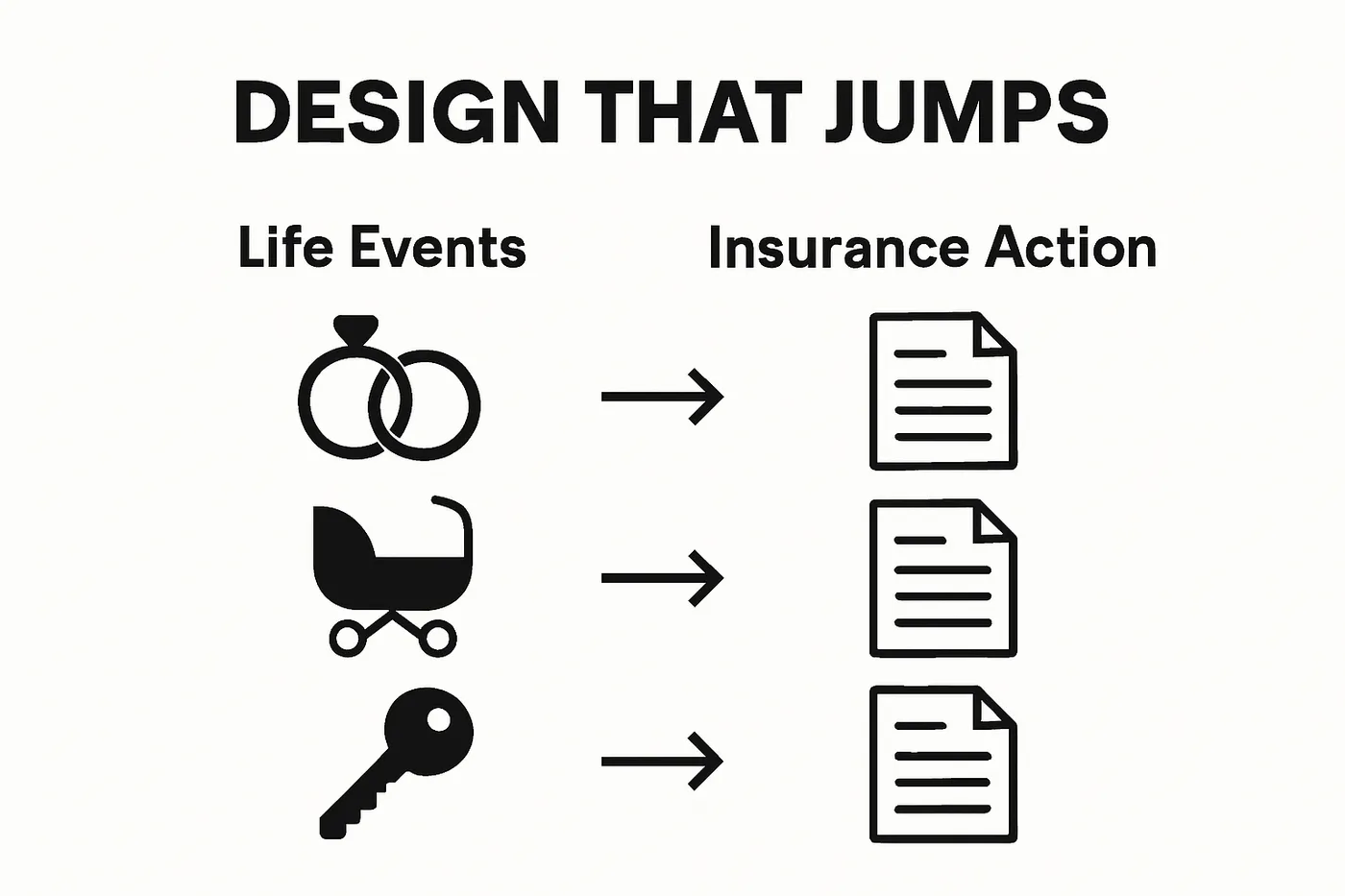
- Getting married or entering a long-term partnership
- Having children or expanding your family
- Purchasing a new home or significant property
- Significant career changes affecting income and financial stability
Professional and Asset Changes Impacting Insurance
Career and financial transformations can substantially influence your insurance requirements. A promotion might mean acquiring more valuable assets, while starting a business could introduce complex liability considerations. Learn more about how professional changes impact insurance with our comprehensive guide on switching insurers.
According to recent regulatory changes in the Insurance Laws Amendment Bill, policyholders must proactively manage their insurance portfolios. Significant asset acquisitions like luxury vehicles, home renovations, or substantial investments in personal property demand immediate insurance reassessment.
To help clarify when you should consider updating your home and car insurance, here is a table outlining major life and asset changes that necessitate an insurance policy review.
| Trigger Event | Why It Requires an Update |
|---|---|
| Getting married or entering partnership | Combining assets, new liabilities, and shared property |
| Having children or expanding your family | Need for increased life and liability cover |
| Purchasing a new home or property | Change in asset value and risk exposure |
| Starting a business or becoming self-employed | New professional risks and potential equipment investments |
| Home renovations increasing property value | Adjustments required for higher property value |
| Acquiring a new vehicle or high-value asset | Changes in risk profile and potential premium adjustments |
| Relocating to a new area | Regional risk variations affect insurance needs |
Other critical professional and asset changes warranting insurance updates include:
- Starting a business or becoming self-employed
- Acquiring high-value personal or professional equipment
- Relocating to a different geographical area with unique risk profiles
- Significant changes in annual income or financial circumstances
Understanding the Impact of Market Trends on Insurance Rates
Market trends play a pivotal role in shaping insurance rates, creating a complex ecosystem where economic factors, technological advancements, and risk landscapes continuously influence premium calculations. Understanding these dynamics helps policyholders make informed decisions about their insurance coverage.
Economic Factors Driving Insurance Rate Fluctuations
Insurance rates are not static but respond to broader economic conditions. Inflation, economic growth, and national financial stability directly impact how insurers assess and price risk. Research from the South African insurance industry indicates that vehicle pricing and economic indicators significantly influence insurance premiums.
Key economic factors affecting insurance rates include:
- National inflation rates
- Vehicle and property market values
- Overall economic stability and growth
- Regional risk assessment metrics
Technology and Risk Assessment in Insurance Pricing
Technological innovations are transforming how insurers evaluate risk and calculate premiums. Advanced data analytics, telematics, and artificial intelligence enable more precise risk profiling. Connected devices and smart home technologies now allow insurers to develop more personalized and dynamic pricing models. Discover more about how technology impacts insurance pricing with our comprehensive guide on car insurance increases.
Emerging technological trends reshaping insurance pricing include:
- Usage-based insurance models
- Real-time risk assessment technologies
- Advanced predictive analytics
- Integrated digital tracking systems
Insurers continuously adapt their strategies to manage risk effectively, reflecting broader market trends and technological capabilities. This dynamic approach ensures that insurance products remain responsive to changing economic and technological landscapes, ultimately protecting consumers while maintaining sustainable business models.
Below is a comparison table summarising the main economic and technological factors that influence insurance rates for South African policyholders.
| Factor Type | Key Influence | Impact on Insurance Rates |
|---|---|---|
| Economic | National inflation rates | Increases cost of rebuilding, leading to higher premiums |
| Economic | Vehicle and property market values | Higher asset values result in greater coverage costs |
| Economic | Overall economic stability and growth | Impacts risk levels and insurance affordability |
| Technological | Usage-based insurance models | Customises premiums according to actual risk profile |
| Technological | Real-time risk assessment technologies | Enables more accurate and possibly lower premiums |
| Technological | Predictive analytics and telematics | Allows insurers to refine pricing and coverage options |
How Regular Reviews Can Improve Your Insurance Coverage
Regular insurance reviews are a strategic approach to maintaining comprehensive and cost-effective protection for your home and vehicle. These periodic assessments help ensure your coverage remains aligned with your evolving life circumstances, financial situation, and potential risks.
The Importance of Proactive Insurance Evaluation
Insurance is not a set-and-forget financial product. Dynamic market conditions and personal life changes necessitate frequent policy reviews. According to the South African National Treasury and Insurance Association regulations, insurers are now required to provide more transparent and clear contract information, making regular reviews even more critical.
Key benefits of conducting regular insurance reviews include:
- Identifying potential coverage gaps
- Ensuring alignment with current asset values
- Potentially reducing premium costs
- Adapting to changing risk profiles
Strategic Approaches to Insurance Policy Review
A comprehensive insurance review involves more than just checking premium rates. It requires a holistic examination of your current financial protection strategy. Advanced technologies now enable more precise risk assessment, allowing policyholders to optimize their coverage more effectively. Learn more about choosing the right insurer with our expert guide.
Recommended review strategies encompass:
- Annual comprehensive policy assessment
- Tracking significant life and asset changes
- Comparing current coverage with market offerings
- Consulting with insurance professionals
By implementing regular insurance reviews, you transform your approach from reactive protection to proactive financial management. This strategy ensures that your insurance coverage remains robust, relevant, and tailored to your specific needs, providing peace of mind and potential cost savings.
Real-World Examples of When to Update Your Insurance
Real-world scenarios frequently arise where updating your insurance becomes not just advisable, but critical. Understanding these practical situations helps you proactively manage your financial protection and avoid potential coverage gaps that could leave you vulnerable.
Personal Life Transitions and Insurance Updates
Major life changes significantly impact insurance requirements. Marriage, divorce, childbirth, or purchasing a new home represent pivotal moments that demand a comprehensive insurance review. Research from the Actuarial Society of South Africa emphasizes the importance of aligning insurance coverage with personal circumstances.
Key personal transition scenarios requiring insurance updates include:
- Getting married and combining household assets
- Having children and needing increased life insurance
- Purchasing a new vehicle with different risk profiles
- Relocating to a new neighborhood or city
Property and Asset Modification Scenarios
Home renovations, significant asset acquisitions, and lifestyle changes can dramatically alter your insurance needs. Installing advanced security systems, adding valuable electronics, or making structural improvements to your property are critical moments for policy reassessment. Check out our comprehensive guide on car insurance after moving to understand how geographical changes impact coverage.
Significant property and asset scenarios warranting insurance updates include:
- Home renovations increasing property value
- Installing advanced security systems
- Acquiring high-value personal electronics
- Adding custom modifications to vehicles
By recognizing these real-world scenarios, you can ensure your insurance remains responsive to your evolving life circumstances, providing robust financial protection precisely when you need it most.

Take Control of Your Insurance Before Life Changes Catch You Out
Feel uneasy about whether your current insurance still protects you after life’s big milestones? The article highlights how ignoring key updates can leave you dangerously exposed—whether you have just bought a new car, renovated your home, or welcomed a new family member. These changes mean your risk profile, asset values, and even legal requirements have shifted. Failing to review your insurance can create gaps that only become clear when it is too late.
With insurance tips and tricks tailored for South Africans, you can turn uncertainty into confidence. Now is the best time to ensure your home and car policies still match your true needs and market conditions. Stop wondering if you are truly covered. Visit insurance.kingprice.co.za to discover smarter ways to protect what matters most. Get a fresh quote, chat to an advisor, or check out updates for car insurance and home insurance—and be prepared for whatever comes your way.
Frequently Asked Questions
What does it mean to update my insurance?
Updating your insurance involves regularly reviewing and modifying your existing policies to ensure they reflect your current life circumstances, assets, and potential risks. This proactive approach optimizes your coverage to meet your evolving needs.
When should I consider updating my home and car insurance?
You should consider updating your insurance after major life events such as marriage, having children, purchasing new properties, or significant career changes. Additionally, home renovations or new vehicle acquisitions also warrant a policy review.
How do market trends affect my insurance rates?
Market trends influence insurance rates through various economic factors, including inflation, property market value, and overall economic stability. Insurance providers adapt their premium calculations based on these changing dynamics to ensure appropriate risk assessment.
What are the benefits of conducting regular insurance reviews?
Regular insurance reviews help identify potential coverage gaps, ensure alignment with current asset values, may reduce premium costs, and adapt to changing risk profiles. This ensures your coverage remains relevant and comprehensive to protect your financial investments.
Recommended
- Annual Insurance Review Tips for Car and Home Owners 2025 – Savvy Insurance
- Car Insurance After Moving: Essential 2025 Guide for South Africans – Savvy Insurance
- Understanding Insurance Coverage Limits for Cars and Homes 2025 – Savvy Insurance
- Saving Money on Car Insurance: Top Tips for 2025 – Savvy Insurance