Cheapest Cars to Insure in South Africa 2026: A Buyer's Guide
When people ask which cars are cheapest to insure in South Africa, they are often hoping for a simple list. The honest answer is that insurers price cars by their characteristics, not their nameplate. Two cars with a similar sticker price can carry very different premiums because of how they perform, how often they are stolen and how much they cost to repair. If you understand those levers, you can shop for a car - and cover - that keeps your monthly outgoings low.
What makes a car cheap to insure
A handful of factors do most of the work when an insurer rates a vehicle:
- Low replacement value. The less it costs to replace, the less the insurer stands to pay out, which usually means a lower premium.
- Affordable, available parts. Common cars with plentiful local spares are cheaper to repair after a knock, so claims cost less.
- Modest performance. A gentle power-to-weight ratio is associated with fewer and less severe accidents than a high-powered engine.
- A good safety record. Airbags, ABS, stability control and strong crash performance reduce injury claims and can lower cost.
- Lower theft appeal. Models that are not prime targets for syndicates attract friendlier theft ratings.
- A common, well-understood model. When insurers have plenty of claims data on a car, they can price it more confidently, and popular models rarely spring nasty repair surprises.
The types of cars that tend to cost less
Rather than naming winners, it helps to picture the categories that usually land in the affordable band:
- Entry-level hatchbacks. Small, sensible city cars with modest engines, cheap parts and huge sales volumes are the classic low-premium choice.
- Established, mainstream family cars. A widely sold sedan or hatch that has been on our roads for years tends to have predictable, well-supplied repair costs.
- Older, fully paid-off vehicles. A car with a lower current value simply costs less to replace, which can pull the premium down - provided it still has decent safety features.
- Practical, non-performance models. Anything built for everyday commuting rather than speed generally sits lower on the risk scale.
Notice that none of these categories is defined by being basic or unappealing. They are defined by being sensible to repair, unremarkable to thieves and safe to drive.
Where "cheap to insure" becomes false economy
Chasing the lowest possible premium can backfire if you cut the wrong corners. A few traps to avoid:
- Dropping to third-party only on a car you cannot afford to replace. It is cheaper each month, but if the car is stolen or written off, you carry that loss yourself.
- Ignoring safety to save a little. A model that scores poorly on safety may cost less in one column and more in injury-related risk.
- Under-insuring the value. Setting a sum insured below what the car is really worth trims the premium but leaves you short at claim time.
- Skipping a tracker on a theft-prone car. The small monthly saving vanishes the moment a claim is declined for not meeting a security condition.
The goal is not the cheapest premium in isolation. It is the lowest sensible cost for cover that actually protects you.
Beyond the car: what else lowers your premium
The vehicle is only half the story. Your own profile and choices matter just as much:
- A clean claims history and a few years of driving experience typically earn better rates.
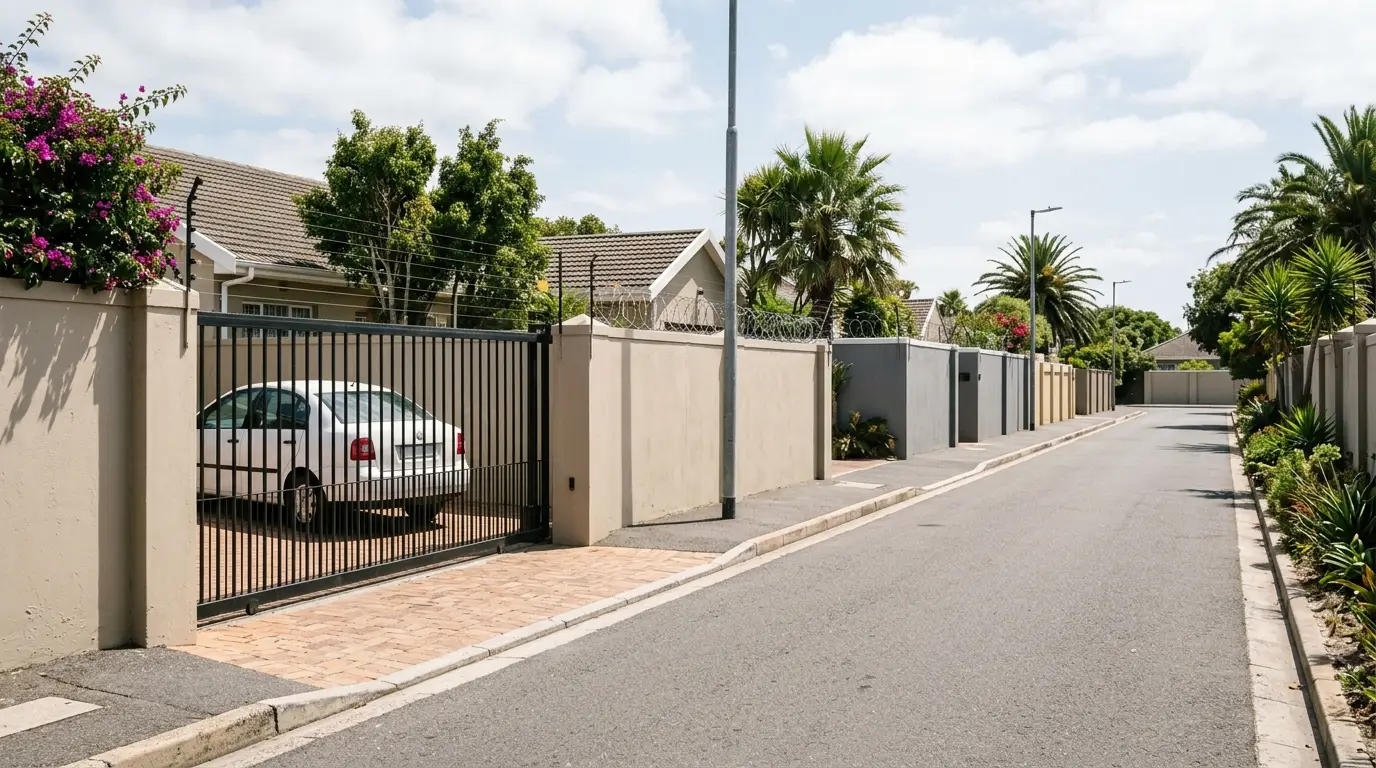
- Where you park overnight - a locked garage or secure complex reads as lower risk than a street.
- A higher voluntary excess lowers your monthly premium, provided you can afford that excess if you claim.
- Telematics or pay-as-you-drive options can reward careful, low-mileage drivers.
- Bundling car and home cover with one insurer sometimes unlocks a multi-policy discount.
Because every insurer weighs these factors slightly differently, the same car and driver can be quoted very different premiums from one company to the next. That variation is exactly why comparing quotes is worth the few minutes it takes.
Compare and save
If you are choosing a new car, it is far cheaper to check the insurance cost before you buy than to be surprised afterwards - and if you already own your car, the market may have moved since you last shopped around. Savvy lets you compare cover from several South African insurers in one place, so you can see which provider rates your vehicle and your circumstances most kindly. Get a quote now, line up your options side by side, and make sure you are getting genuinely affordable cover rather than just an affordable-looking one.
Ready to compare car insurance? Get free, no-obligation quotes from South Africa's top insurers in a few minutes and see how much you could save.
Compare car insurance quotes →Free · No obligation · POPIA compliant · We never sell your data