How Your Suburb Affects Your Car Insurance Premium
When you apply for car insurance in South Africa, one of the very first things you are asked is where you live and where the car is kept at night. That is not idle admin. Your suburb is a powerful predictor of risk, and it can move your premium up or down before any other detail is considered. If you have ever wondered why a friend across town pays less for the same car, the answer often begins with their address.
Why insurers ask for your address
Insurers price the likelihood and size of a claim, and location speaks directly to both. Your suburb tells them the local history of theft, hijacking and accident claims, and where your car spends its most vulnerable hours - parked overnight. Because crime and claims cluster geographically in South Africa, the same vehicle and driver can be rated very differently from one suburb to the next, even within the same city.
Overnight parking: the biggest suburb factor
Where your car sleeps is often the single most influential location detail. Insurers typically distinguish between:
- A locked garage, generally the lowest-risk option.
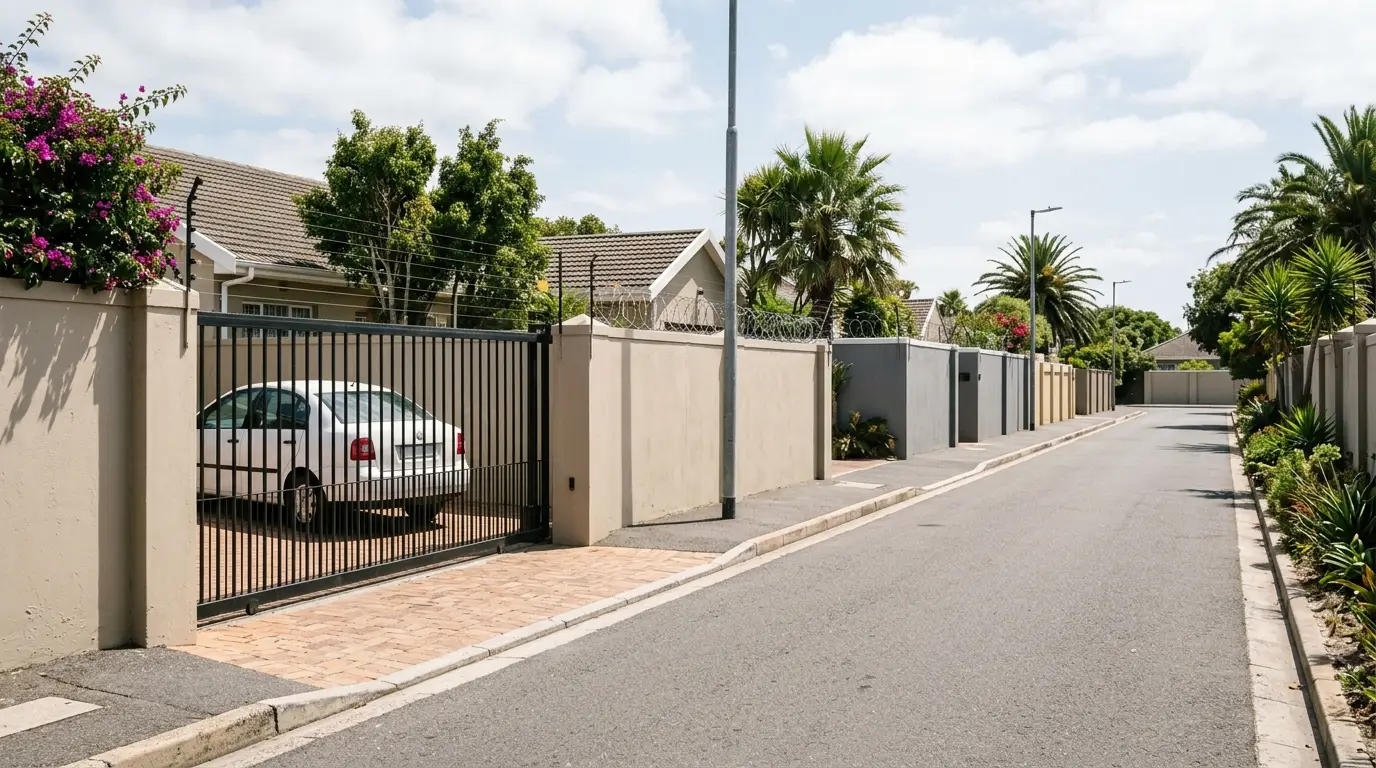
- A secured, access-controlled complex or driveway behind a gate, also viewed favourably.
- An open driveway or carport, somewhere in the middle.
- On-street or kerbside parking, usually the highest risk, especially in busy suburbs.
Two homes on the same street can be rated differently purely because one keeps the car in a locked garage and the other leaves it on the road. If your parking arrangement improves - say you gain access to a garage - it is worth telling your insurer, because it can genuinely change your premium.
The crime profile of your area
Beyond your own parking, the broader character of your suburb matters. Insurers draw on their own claims data to build a risk picture of each area, factoring in local theft and hijacking patterns, accident frequency and even the density of traffic. A suburb with a heavy history of vehicle-crime claims will carry a loading, while a quiet, low-claim area may attract a discount. This is why moving even a few kilometres can shift your premium in either direction.
When a tracker becomes a condition of cover
In higher-risk suburbs, insurers often go beyond pricing and set requirements. The most common is an approved vehicle tracking device. Depending on your area and car, a tracker may be:
- Encouraged, with a premium discount for fitting one voluntarily.
- Required before the insurer will accept the risk at all.
- Paired with other conditions, such as secure overnight parking or a higher theft excess.
If a tracker is a condition of your policy, it must be fitted and kept active - a claim can be declined if the required device was not in place. Treat any security condition as part of the deal, not an optional extra.
What to do if your suburb pushes your premium up
You cannot move house to save on insurance, but you can influence how your area risk is applied:
- Improve your overnight parking. Behind a locked gate or in a garage is rated very differently from the street.
- Fit and maintain an approved tracker. It often reduces the loading and improves recovery odds if the worst happens.
- Add visible deterrents. Gear and steering locks slow opportunists and signal effort.
- Keep your details accurate. An honest address and parking description keep your cover valid when you claim.
- Tell your insurer when things change. A new gate, garage or complex access can work in your favour.
- Compare across insurers. Each company reads suburb risk from its own data, so the loading for your exact area can differ widely.
Compare and save
Because no two insurers rate a suburb identically, the premium for your specific address can vary a lot from one provider to the next - which makes comparing quotes especially worthwhile if your area carries a loading. Savvy brings cover from several South African insurers together in one place, so you can find the one that views your suburb and parking most fairly. Get a quote today and make sure your address is not costing you more than it needs to.
Ready to compare car insurance? Get free, no-obligation quotes from South Africa's top insurers in a few minutes and see how much you could save.
Compare car insurance quotes →Free · No obligation · POPIA compliant · We never sell your data