Understanding Insurance for Single Car Owners
Owning just a single car might sound straightforward but the risks stack up fast for South Africans who depend on that one vehicle. Most people imagine insurance is all about ticking a legal box and moving on. The surprise is that single-car owners can avoid catastrophic bills from accidents, theft, or even floods simply by having the right insurance in place with comprehensive policies frequently covering up to 70 percent of expenses most drivers would pay out of pocket. One simple choice often separates sleepless nights from peace of mind every day you get behind the wheel.
Table of Contents
- What Is Insurance For Single Car Owners?
- Why Insurance Matters For Single Car Owners
- How Insurance For Single Car Owners Works
- Key Concepts In Insurance For Single Car Owners
- Real-World Context Of Single Car Owner Insurance
Quick Summary
| Takeaway | Explanation |
|---|---|
| Insurance offers essential financial protection. | It shields single car owners from costly repair, medical, and legal expenses after accidents or theft. |
| Understand core insurance terminology. | Knowing terms like premiums, deductibles, and coverage limits is crucial for making informed insurance choices. |
| Comprehensive coverage is recommended. | This type of policy protects against a wide array of risks like theft, damage, and liability, ensuring extensive financial security. |
| Regularly assess your coverage needs. | Factors like driving history, vehicle type, and location can impact risk, influencing the best coverage for your situation. |
| Insurance compliance is a legal requirement. | Having adequate insurance not only protects assets but also meets local legal standards, preventing potential fines. |
What is Insurance for Single Car Owners?
Insurance for single car owners is a specialized form of vehicle protection designed specifically for individuals who own and operate a single vehicle. This type of insurance provides financial security and peace of mind by covering potential risks and unexpected expenses associated with car ownership.
Understanding the Basics of Single Car Owner Insurance
At its core, insurance for single car owners is a contract between the vehicle owner and an insurance provider that offers financial protection against various potential scenarios. Learn more about vehicle insurance types to understand the nuanced coverage options available.
The primary purpose of this insurance is to mitigate financial risks that could arise from:
- Vehicle accidents and collision damage
- Theft or attempted theft
- Natural disaster damages
- Third-party liability claims
- Personal injury protection
Key Components of Insurance Coverage
For single car owners, insurance typically encompasses several critical components. Comprehensive coverage is often the most robust option, protecting against a wide range of potential incidents. This includes damage to your own vehicle, damages you might cause to other vehicles, and protection against non-collision related events like fire, vandalism, or weather-related incidents.
Unlike multi-vehicle household insurance, single car owner insurance is tailored to the specific needs and risk profile of an individual driver. Insurers consider factors such as:
- Driver’s age and driving history
- Vehicle make, model, and year
- Annual mileage
- Geographic location and typical driving routes
- Personal risk assessment
By understanding these elements, single car owners can select an insurance policy that provides optimal protection while maintaining cost-effectiveness. The goal is not just financial coverage, but comprehensive risk management that ensures you can drive with confidence and security.
Why Insurance Matters for Single Car Owners
For single car owners, insurance represents more than just a legal requirement or financial document. It is a critical safety net that protects personal assets, mitigates financial risks, and provides peace of mind in an unpredictable driving environment. Learn more about your car insurance needs to understand the comprehensive protection available.
Financial Protection and Risk Mitigation
Owning a single vehicle means that your entire personal transportation relies on one car. An unexpected accident, theft, or significant damage could potentially leave you without transportation and facing substantial out-of-pocket expenses. Insurance acts as a financial shield, preventing these scenarios from causing catastrophic economic disruption.
The potential financial impacts of being uninsured can be substantial:
- Repair costs for vehicle damage after an accident
- Medical expenses from personal injury
- Legal fees from third-party liability claims
- Replacement costs if the vehicle is stolen or totaled
- Potential loss of income due to transportation disruption
Legal and Personal Responsibility
Beyond financial considerations, car insurance is a legal requirement in many jurisdictions. Single car owners have a personal and legal responsibility to ensure they are adequately protected. This means having insurance that not only covers personal risks but also meets minimum legal standards for road use.
Insurance demonstrates responsible vehicle ownership by:
- Protecting yourself against potential legal liabilities
- Ensuring compliance with local traffic regulations
- Providing proof of financial responsibility
- Offering protection for unexpected incidents
By investing in comprehensive insurance, single car owners can drive with confidence, knowing they have a robust financial and legal safety net supporting their mobility and personal assets.
How Insurance for Single Car Owners Works
Insurance for single car owners operates through a sophisticated system of risk assessment, premium calculation, and financial protection mechanisms. Explore more about car insurance basics to understand the intricate details of coverage.
Risk Assessment and Premium Determination
Premium pricing is the foundational mechanism of car insurance for single owners. Insurers evaluate multiple factors to determine the financial risk associated with providing coverage. This assessment helps calculate the appropriate monthly or annual premium that balances protection for the driver with sustainable pricing for the insurance company.
Key factors influencing premium calculations include:
- Driver’s age and driving history
- Vehicle’s make, model, and age
- Geographic location and typical driving routes
- Annual mileage
- Personal credit history
- Claims history
Claims Processing and Financial Protection
When an incident occurs, the insurance claims process becomes crucial. Single car owners file a claim with their insurance provider, who then evaluates the situation based on the specific policy terms. The claims process typically involves several critical steps:
- Initial claim submission with detailed documentation
- Assessment by insurance claims adjuster
- Verification of incident details
- Determination of coverage eligibility
- Approved claim settlement
The financial protection mechanism ensures that single car owners are not financially devastated by unexpected vehicle-related incidents. Whether it is a minor collision, theft, or significant damage, the insurance policy acts as a critical buffer against potential economic hardship.

By understanding how insurance works, single car owners can make informed decisions about their coverage, ensuring comprehensive protection tailored to their specific driving circumstances and risk profile.
Key Concepts in Insurance for Single Car Owners
Understanding the fundamental concepts of car insurance empowers single car owners to make informed decisions about their vehicle protection strategy. Explore the essentials of car insurance to gain comprehensive insights into coverage mechanisms.
Core Insurance Terminology
Insurance policies are complex documents filled with specialized terminology that can be challenging to navigate. Deductibles, premiums, and coverage limits are critical concepts that directly impact the financial protection and cost of insurance for single car owners.
Key insurance terms every single car owner should understand include:
The table below defines some of the most important insurance-related terms and explains their relevance for single car owners in South Africa.
| Term | Definition | Relevance for Single Car Owners |
|---|---|---|
| Deductible | Amount you pay out-of-pocket before insurance kicks in | Affects how much you pay upfront in claims |
| Premium | Ongoing payment to your insurer (monthly or yearly) | Core cost of maintaining your cover |
| Coverage limit | The maximum amount your insurer will pay for a claim | Determines financial protection available |
| Excess | Additional amount paid at claim time, can be fixed or voluntary | Impacts claim-related costs |
| No-claims bonus | Discount for periods without making claims | Rewards careful driving with reduced costs |
- Deductible: The amount you pay out-of-pocket before insurance coverage begins
- Premium: Regular payment made to maintain insurance protection
- Coverage limit: Maximum amount an insurer will pay for a covered claim
- Excess: Additional amount paid when making a claim
- No-claims bonus: Discount for periods without filed insurance claims
Types of Coverage for Single Car Owners
Single car owners have multiple coverage options tailored to different risk levels and financial circumstances.
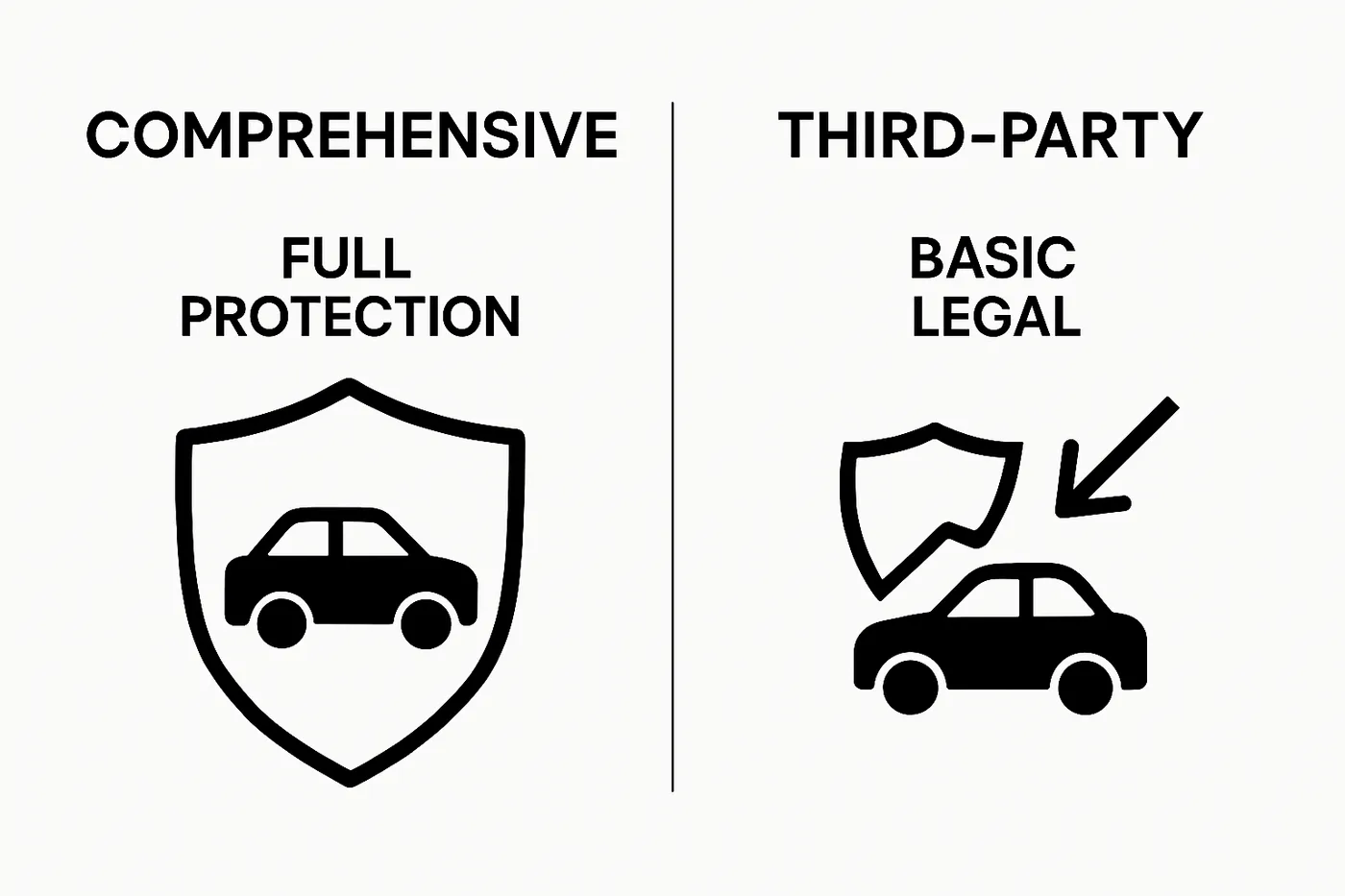 Comprehensive coverage offers the most extensive protection, while third-party only insurance provides minimal legal protection.
Coverage types typically include:
- Comprehensive insurance: Protection against theft, damage, and third-party liability
- Third-party only: Covers damages to other vehicles and property
- Third-party, fire, and theft: Additional protection beyond basic third-party coverage
- Personal accident cover: Protection for medical expenses and injury
By understanding these key concepts, single car owners can select insurance that provides optimal protection while managing financial costs effectively.
To make the various insurance options easier to compare, the following table breaks down key types of cover available to single car owners, what they include, and their typical uses.
| Type of Insurance | What It Covers | Typical Use Case |
|---|---|---|
| Comprehensive | Theft, damage, third-party liability, fire, disasters | Most robust; preferred for full cover |
| Third-party only | Damage to others’ vehicles and property | Meeting minimum legal requirements |
| Third-party, fire, and theft | Third-party, plus fire and theft of your own vehicle | Budget-conscious with extra protection |
| Personal accident cover | Medical expenses and injuries to the driver/passengers | Added protection for injury events |
Real-World Context of Single Car Owner Insurance
Insurance for single car owners extends far beyond theoretical protection, representing a practical financial safety mechanism that addresses real-world driving challenges. Discover the best insurance strategies for new car owners to understand comprehensive coverage approaches.
Practical Scenarios and Risk Management
Real-world insurance application involves understanding how theoretical coverage translates into actual protection during unexpected incidents. Single car owners face numerous potential scenarios where insurance becomes critical, ranging from minor fender benders to significant vehicular accidents.
Typical real-world scenarios where insurance proves essential include:
- Unexpected mechanical failures
- Collision damages in high-traffic urban environments
- Theft or attempted vehicle theft
- Natural disaster-related vehicle damage
- Accidents caused by uninsured or underinsured drivers
Financial and Personal Risk Implications
For single car owners, insurance represents more than a legal requirement. It is a critical financial risk management tool that protects personal assets and provides stability during unpredictable circumstances. The economic implications of being uninsured can be devastating, potentially leading to substantial out-of-pocket expenses and long-term financial strain.
Key financial risks mitigated by comprehensive insurance include:
- Potential repair costs exceeding personal savings
- Medical expense coverage for accident-related injuries
- Protection against total vehicle loss
- Legal liability coverage for third-party damages
- Income protection during vehicle repair periods
By understanding the real-world context of insurance, single car owners can make informed decisions that balance comprehensive protection with financial practicality, ensuring they are prepared for whatever challenges the road may present.
Protect Your Single Set of Wheels the Smart Way
If you own just one car, having the right insurance is not just a legal box to tick. It is your answer to real worries like sudden repair costs, theft, or a crash that might leave you stranded. This article explained the risks and potential financial setbacks that single car owners face when they are not properly covered or are unsure about comprehensive vs third-party cover. You should not have to stress about what-ifs when simple solutions exist.
Do not wait until an unexpected incident turns into a costly setback. Discover expert tips and get car insurance advice tailored for your needs on insurance for South Africans. Explore practical options that fit your budget and give you peace of mind whether you need comprehensive cover or third-party insurance. Visit Savvy Insurance today and see how easy it is to protect your vehicle and enjoy the confidence that comes with proper cover. Make your next step a safer journey.
Frequently Asked Questions
What is insurance for single car owners?
Insurance for single car owners is a specialized vehicle protection designed for individuals who own and operate only one vehicle. It covers risks such as accidents, theft, and liability, ensuring financial security.
Why is insurance important for single car owners?
Insurance is vital for single car owners as it protects personal assets, mitigates financial risks from unexpected incidents, and fulfills legal requirements for vehicle ownership and operation.
What are the key components of insurance coverage for single car owners?
Key components typically include comprehensive coverage, third-party liability, personal accident cover, and various deductibles, which collectively provide extensive protection against multiple risks.
How does the claims process work for single car owners?
The claims process involves submitting a claim to the insurer, followed by an assessment of the incident by a claims adjuster, verification of coverage eligibility, and settlement based on the policy terms.
Recommended
- Understanding Types of Vehicle Insurance in 2025: A Guide for Car Owners - Savvy Insurance
- What Is Car Insurance? A Simple Guide for 2025 - Savvy Insurance
- Best Insurance for New Cars in 2025: Top Picks and Tips - Savvy Insurance
- Car Insurance for Students: Best Tips and Savings 2025 - Savvy Insurance
Ready to compare insurance? Get free, no-obligation quotes from South Africa's top insurers in a few minutes and see how much you could save.
Compare insurance quotes →Free · No obligation · POPIA compliant · We never sell your data