Most Stolen Cars in South Africa 2026: What It Means for You
If you have ever wondered why one neighbour pays far more to insure a bakkie than another pays for a small hatchback, vehicle theft is a big part of the answer. In South Africa, the cars that thieves target most are rarely the rarest or the most expensive. They are usually the everyday vehicles that are quick to sell, easy to strip and always in demand. Understanding which types of cars are most at risk helps you see why insurers price the way they do - and what you can do about it.
Which cars are targeted most
Rather than a fixed ranked list, it is more useful to think in categories. A few broad types come up again and again in South African vehicle-crime conversations and in South African Police Service (SAPS) reporting:
- Popular double-cab bakkies, such as well-known Toyota and Ford models, which have huge demand for both the whole vehicle and their parts.
- High-volume hatchbacks, especially budget-friendly models that sell in enormous numbers, because common parts move quickly on the grey market.
- Minibus taxis, which carry real commercial value and a ready market for components.
- Certain SUVs and premium sedans, particularly German marques, which are attractive for resale and cross-border movement.
The common thread is not glamour. It is liquidity. A thief wants a vehicle that is simple to move on, whether whole or in pieces.
Why these vehicles get taken
A few forces drive the pattern, and none of them are about the badge on the bonnet:
- Parts demand. When a model is everywhere on our roads, its doors, lights, airbags and panels are always wanted. Stripping a common car for spares can be more profitable than selling it whole.
- Resale and export. Some vehicles are moved across borders or re-sold with cloned paperwork, which favours popular, hard-wearing models.
- Ease of theft. Older vehicles can be hot-wired, while some newer keyless cars are vulnerable to relay attacks that copy the signal from a key inside your home.
- Predictable habits. A car parked in the same unlit spot every night is a softer target than one behind a locked gate.
Theft and hijacking are not the same risk
It is worth separating the two. Theft usually happens while you are away from the vehicle - at a shopping centre, outside your home, or overnight. Hijacking is a violent crime that happens while you are in or near the car, often at intersections, driveways and quiet stops. Both feed into how insurers assess a vehicle, but hijacking risk is heavily tied to where and when you drive, not only what you drive. That is why two owners of the same model can be quoted very differently depending on their address and routine.
How theft risk lands on your premium
Insurers price risk, and theft is one of the clearest risks they can measure. If a model is claimed for theft or hijacking more often than average, that experience feeds straight into its rating. In practice, a vehicle with a poor theft record can mean:
- A higher monthly premium for comprehensive cover.
- A tracking device requirement before the insurer will accept the risk, or a discount if you fit one voluntarily.
- A higher excess on theft and hijacking claims.
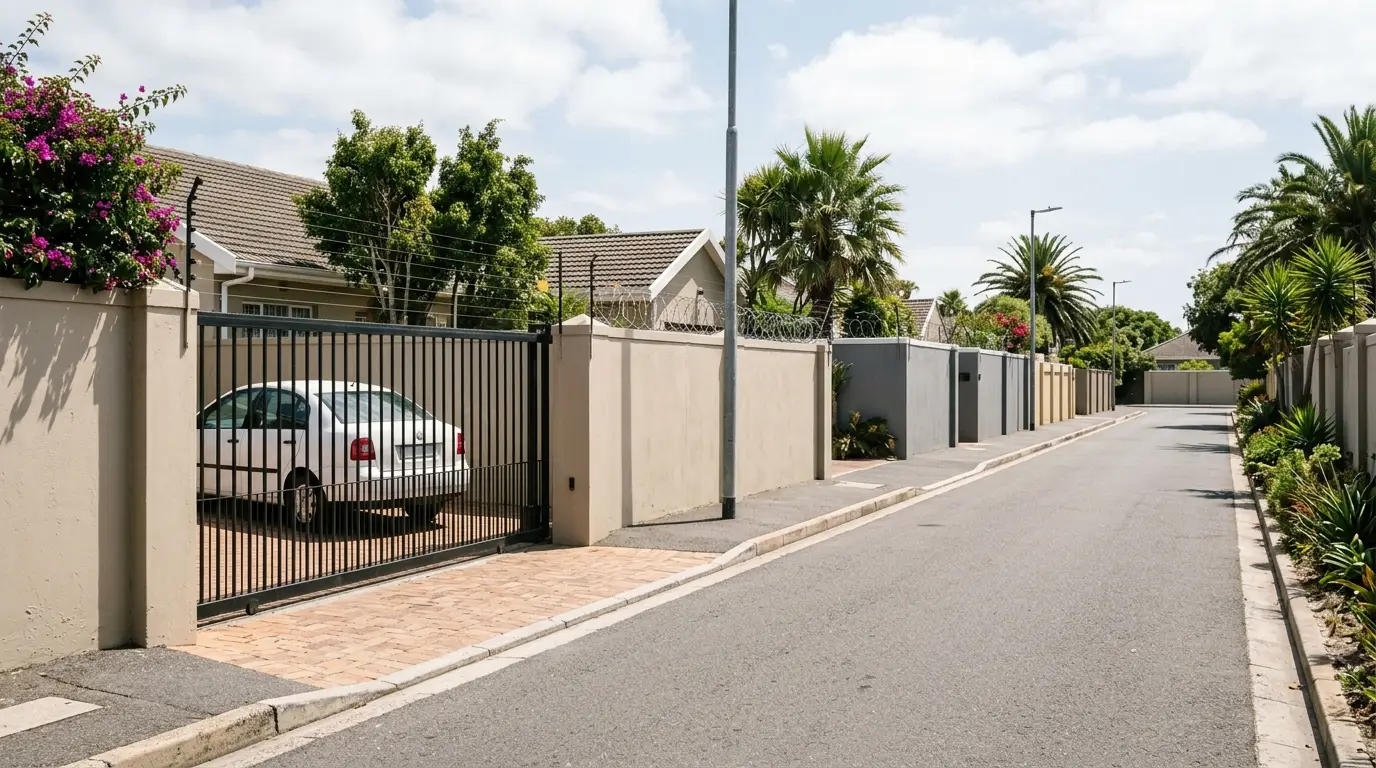
- Stricter overnight parking conditions, such as a locked garage or a secured complex.
None of this is a judgement on your driving. It is the insurer reflecting how often that type of car, in that type of area, ends up as a claim.
What you can do to lower the risk and the cost
You cannot change the model you already own overnight, but you can influence how an insurer sees your risk:
- Fit an approved tracking device. A recognised tracker often unlocks a discount and, for high-risk models, is frequently a condition of cover.
- Improve where you park. A locked garage or a gated complex with controlled access reads as lower risk than a kerbside spot.
- Use visible deterrents. Gear locks and steering locks will not stop a determined syndicate, but they slow opportunists and signal effort.
- Protect your keys. Store keys away from the front door and consider a signal-blocking pouch to counter relay theft on keyless cars.
- Buy with theft in mind. If you are still choosing a car, ask how a model's theft record affects cover before you sign, not after.
If you are shopping for a new set of wheels, it is genuinely worth comparing insurance costs across a shortlist. A model that looks affordable to buy can carry a noticeably higher premium if it sits in a high-theft category - and that difference adds up every single month.
Compare and save
Theft risk is one of the biggest reasons two similar drivers pay very different premiums, so it pays to see how your specific car and area are rated rather than assume. Because Savvy compares cover from multiple South African insurers side by side, you can quickly find the provider that views your vehicle most favourably and rewards the security steps you have taken. Get a quote today, compare your options in one place, and make sure you are only paying for the risk you actually carry.
Ready to compare car insurance? Get free, no-obligation quotes from South Africa's top insurers in a few minutes and see how much you could save.
Compare car insurance quotes →Free · No obligation · POPIA compliant · We never sell your data